Overview
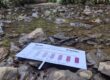
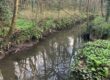
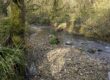
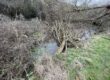
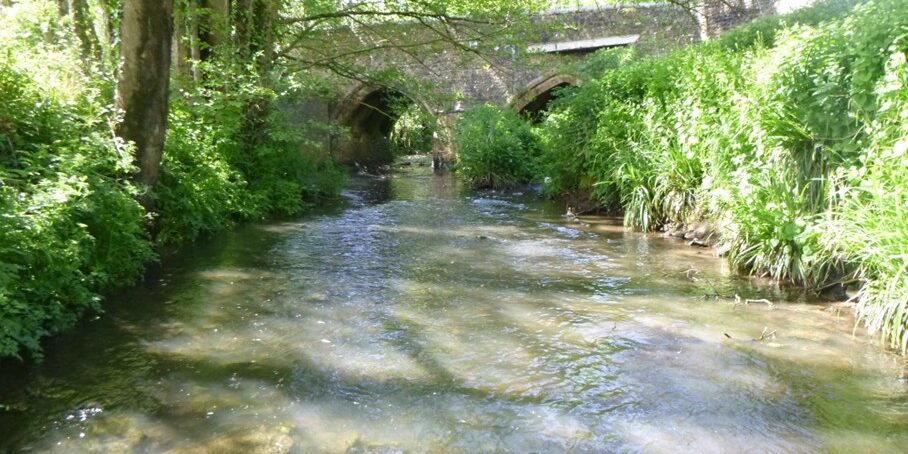
Since 2019, Bristol Avon Rivers Trust (BART) has carried out annual macro-invertebrate monitoring in the River Chew through the SmartRivers programme, led by WildFish. The project collects species-level data to detect pollution pressures and assess river health. Five key sites on the River Chew have been monitored to establish a biological baseline, track changes, and identify environmental stressors.
Key Findings
- National Ranking: In 2023, the River Chew ranked as the 5th most stressed of 61 monitored UK rivers.
- Macro-invertebrate Diversity: Taxa recorded include caddisflies, stoneflies, mayflies, shrimps, and beetles. Water quality ranged from excellent to very poor depending on location and season.
- Top Performing Site: Site 1 (Shrowle), the most upstream monitoring point, consistently showed high water quality and minimal pressure.
- Most Stressed Site: Site 2 (downstream of Chew Valley Reservoir) exhibited multiple pressures including siltation, nutrients, chemicals, and altered flow.
- Seasonal Trends: Most sites showed lower scores in autumn, with 2022 scores particularly impacted by drought.
- Siltation: Identified as the most consistent pressure across sites, especially downstream of agricultural land and impoundments, such as weirs and sluices.
Riverfly Monitoring Initiative (RMI)
As the Riverfly Hub for the Bristol Avon, BART supports community volunteers monitoring river health across the Chew catchment.
- Active RMI Sites: 8 active and 6 more with historic data.
- Average RMI Score: 11.3 in the Chew vs. 9.6 across the Bristol Avon. The highest average RMI score was at Shrowle – the most upstream of the Chew sites. The lowest average RMI scores was at Dapps Bridge – the most downstream of the sites.
- Trigger Breaches: Recorded at several sites, particularly during 2022 drought.
- Species Observations: Chew sites have low shrimp abundance but strong presence of burrowing mayfly Ephemeridae.
Next Steps
BART recommends:
- Work with landowners to reduce surface water runoff and sediment into the watercourse;
- The water industry to address sewage discharge issues and impact of treated continuous discharge via further monitoring of these sites, and infrastructure improvement plans where assets are impacting the receiving environment;
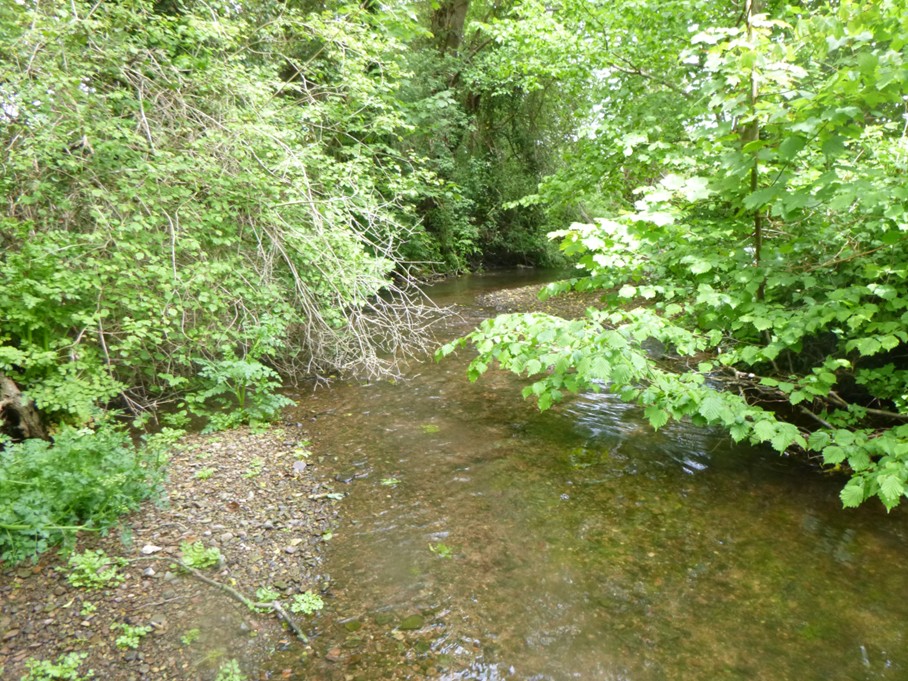
- Develop a programme of river restoration measures to improve diversity of flow conditions;
- Continue SmartRivers Monitoring and utilising this data and comparing it with other data sets to establish trends;
- Share data to create a joined up approach between BART, the Environment Agency, the water industry and other stakeholders to assess the impact of low flows on the ecology of the catchment.
- Continued support for the RMI programme including training sessions for new monitors, support of existing monitors and data analysis on a regular basis.
These findings reinforce the importance of sustained investment and collaborative action to improve the ecological health of the River Chew. The full report can be found here: Chew Catchment Riverfly Data Analysis_2025_Final.