A Watershed Moment: What the Water Sector Review Means for Our Rivers
By Simon Hunter, CEO, Bristol Avon Rivers Trust
The most comprehensive review of the water sector since privatisation has just been published – and it brings with it a genuine opportunity for change. The Independent Water Commission’s report contains 88 recommendations aimed at improving how water is managed, regulated and protected in England and Wales.
At Bristol Avon Rivers Trust (BART), we’ve reviewed the report and welcome many of the recommendations, which – if properly implemented – could significantly improve the health of our rivers and the wellbeing of the communities who rely on them.
Simon Hunter, Chief Executive of Bristol Avon Rivers Trust, said:
“While some will understandably have wanted the review to go further – including considering nationalisation of the water industry – the recommendations put forward are both bold and far-reaching. If implemented with urgency and ambition, they could lead to real, lasting improvements for our rivers, while ensuring better value for public investment.
We commend Sir Jon Cunliffe and the Commission for producing such a comprehensive and timely report. The message is clear: our rivers are in crisis, and we cannot afford to wait. We urge the government to act swiftly and decisively to turn these recommendations into action and give our freshwater environment the priority and protection it so clearly deserves.”
Here are some of the highlights we feel could make the biggest difference:
Reinforcing the Catchment-Based Approach
Recommendation 3: Introduce a regional systems planning framework and integrate catchment partnerships.
We’ve seen first-hand that catchment partnerships work. They bring together diverse expertise, local knowledge, and shared ambition. But this model is critically underfunded – with tiny disproportionate budgets to deliver this vital work. We know we can do more, with better investment. Strengthening catchment partnerships and embedding them in regional water planning is a vital next step.
Putting Public Health on the Agenda
Recommendation 11: Reform water regulations to consider public health and recreational use of rivers.
We were pleased to see the report acknowledge the growing importance of our rivers for recreation, from paddle sports to wild swimming. Water quality is no longer just an environmental issue – it’s about protecting people’s health. This is particularly important for well-used rivers like the Avon. Everyone should be able to enjoy their local river safely.
A Unified Regulator for a Complex Sector
Recommendation 16: Establish a single water regulator in England.
Bringing together Ofwat, the Environment Agency, the Drinking Water Inspectorate, and Natural England’s water functions could streamline decision-making and reduce the delays that often hold back action for rivers. A single regulator with a holistic mission could be a game-changer.
Tackling Unsustainable Abstraction
Recommendation 36: Bring water abstraction under the Environmental Permitting Regime.
Numerous rivers are drying up due to unsustainable water abstraction alongside the impact of climate change. Across the Bristol Avon, numerous BART volunteer riverfly monitoring sites have breached trigger levels over the summer months – indicating that invertebrates are under stress due to the impact of low flows, rising temperatures and elevated nutrients – which become less diluted when rivers are low. This recommendation would give regulators the tools to manage water withdrawals more effectively and protect river flows – to strike a better balance and protect our freshwater wildlife.
Reducing Water Consumption
Recommendation 37: Accelerate the rollout of compulsory smart metering.
Smart water meters are one of the most effective tools we have to reduce water use at the household level. Less consumption means less strain on water supplies – and ultimately, healthier rivers.
Aligning Development with Water Infrastructure
Recommendation 72: Give water companies more say in planning and development decisions.
Right now, water companies are not statutory consultees on new developments – yet they’re required to manage all the resulting wastewater. This imbalance is a major driver of pollution and over-capacity at sewage treatment works. Strengthening their role in the planning process would help prevent avoidable harm to rivers.
In Summary
This report marks a critical moment for the water sector. It acknowledges the scale of the problem and offers meaningful solutions. Now, it’s up to government to act – and to act quickly.
At BART, we’re ready to play our part. With the right support and collaboration, we can restore our rivers to health – for nature, for people, and for future generations.
Simon Hunter
Chief Executive Officer
Bristol Avon Rivers Trust
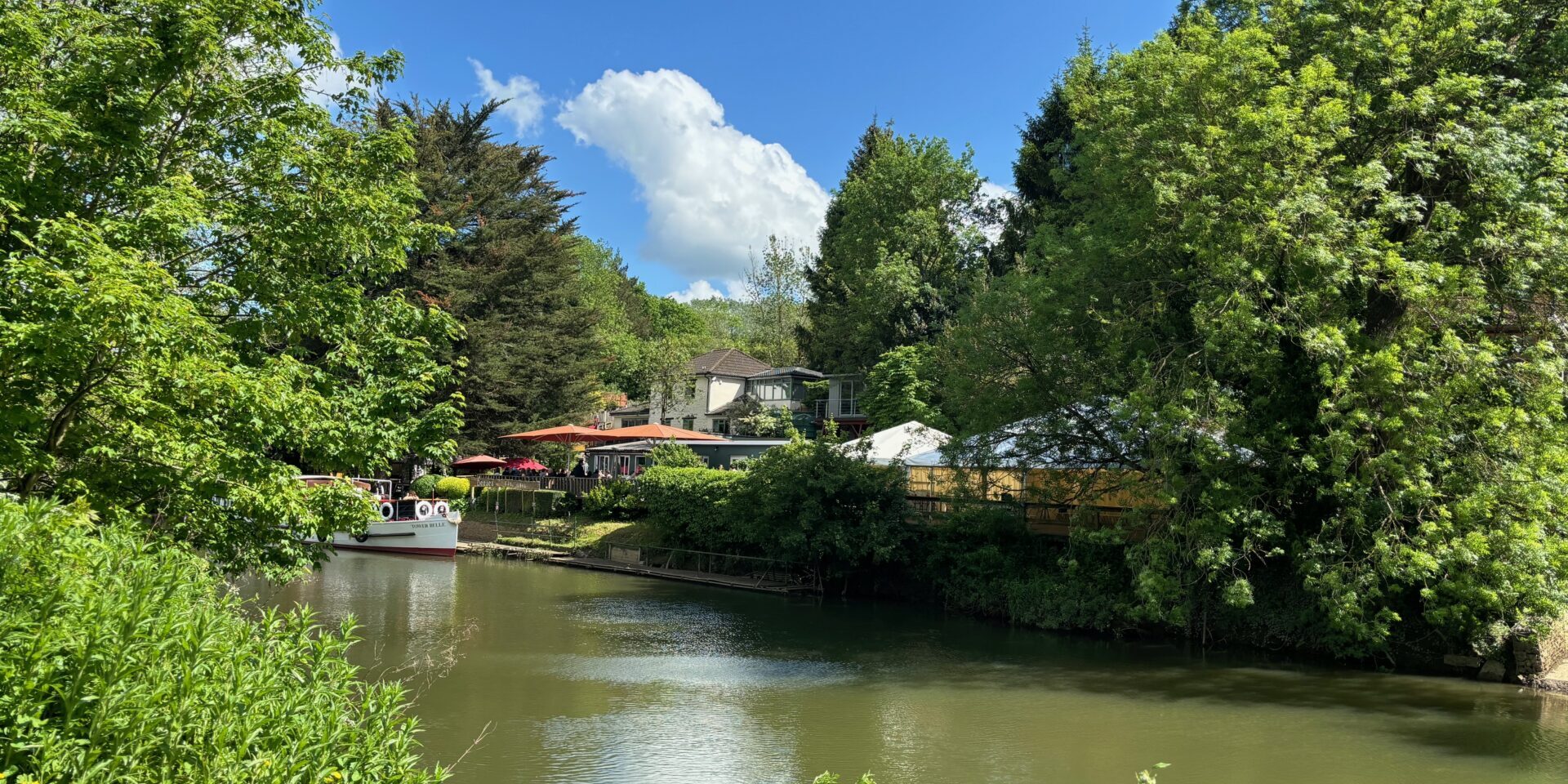
Feature Image: Rose Gardiner