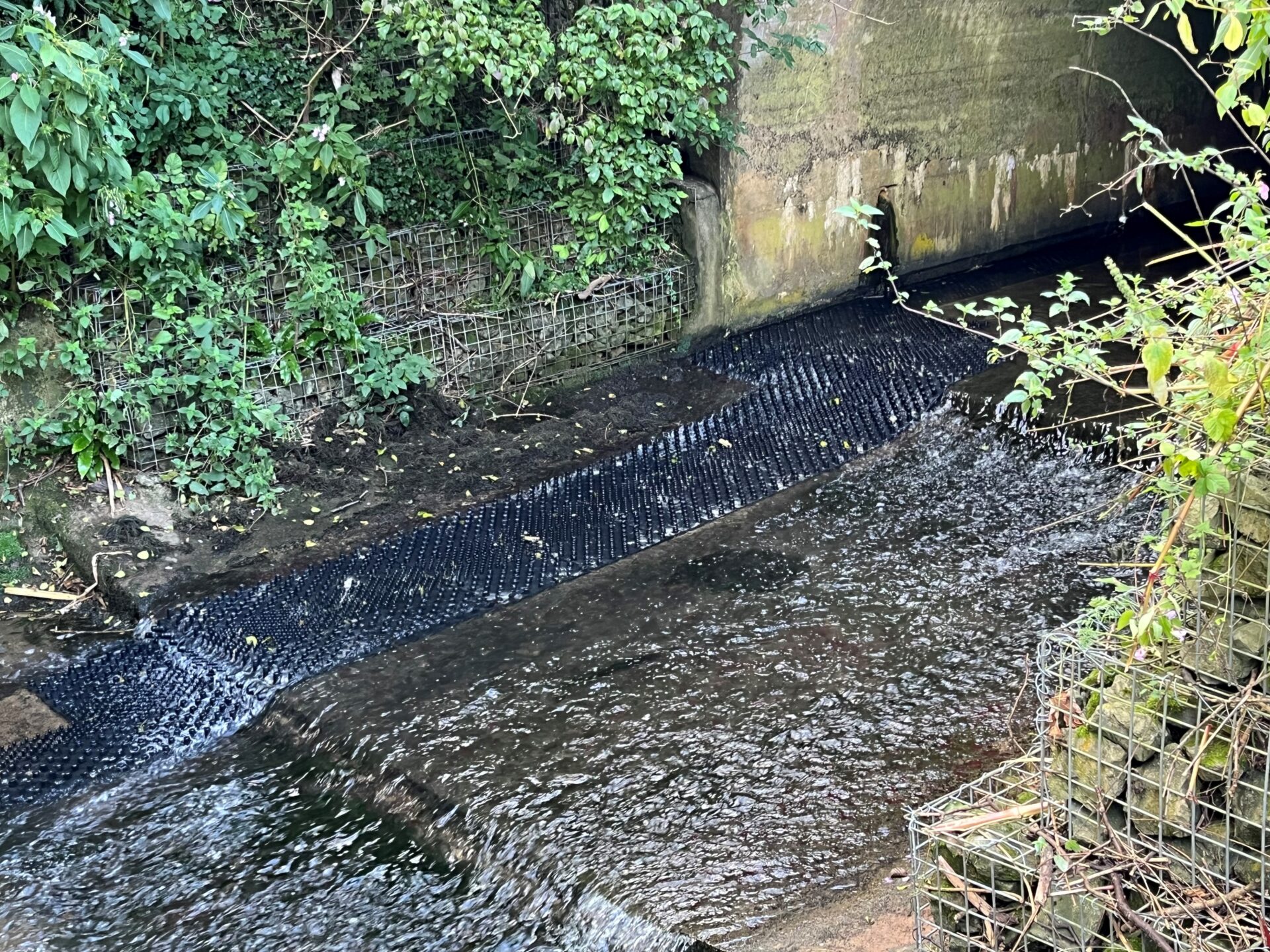
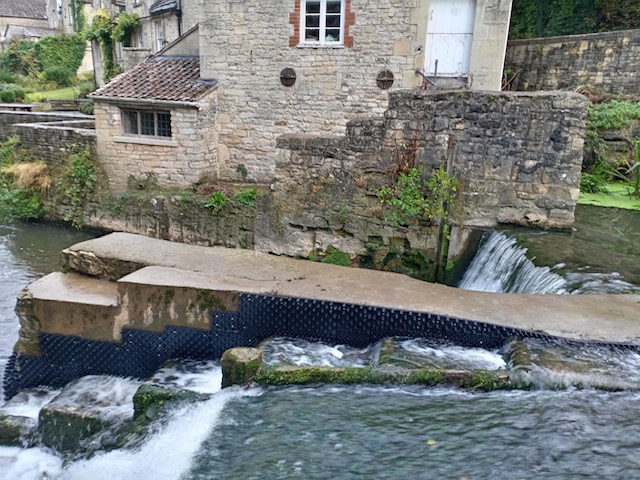
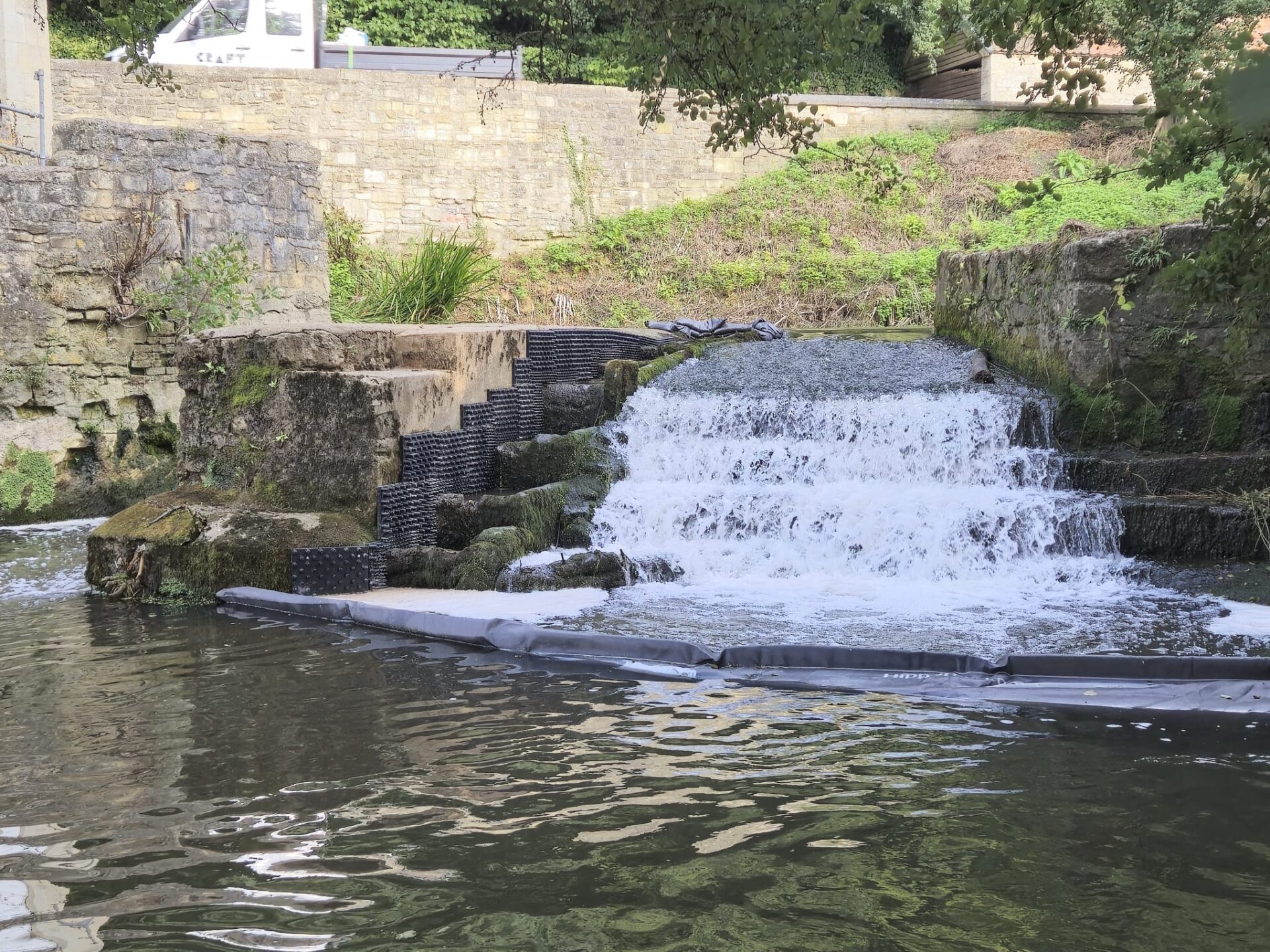
In September 2024, Bristol Avon Rivers Trust (BART) installed eel tiles – specially designed structures fitted to the sides and beds of heavily modified channels to help eels and elvers move upstream at Dunkerton on the Cam Brook and at Midford on the Wellow Brook.
Eel tiles have been proven highly effective elsewhere in improving the passage of these important migratory fish over man-made barriers such as weirs and culverts.
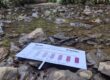
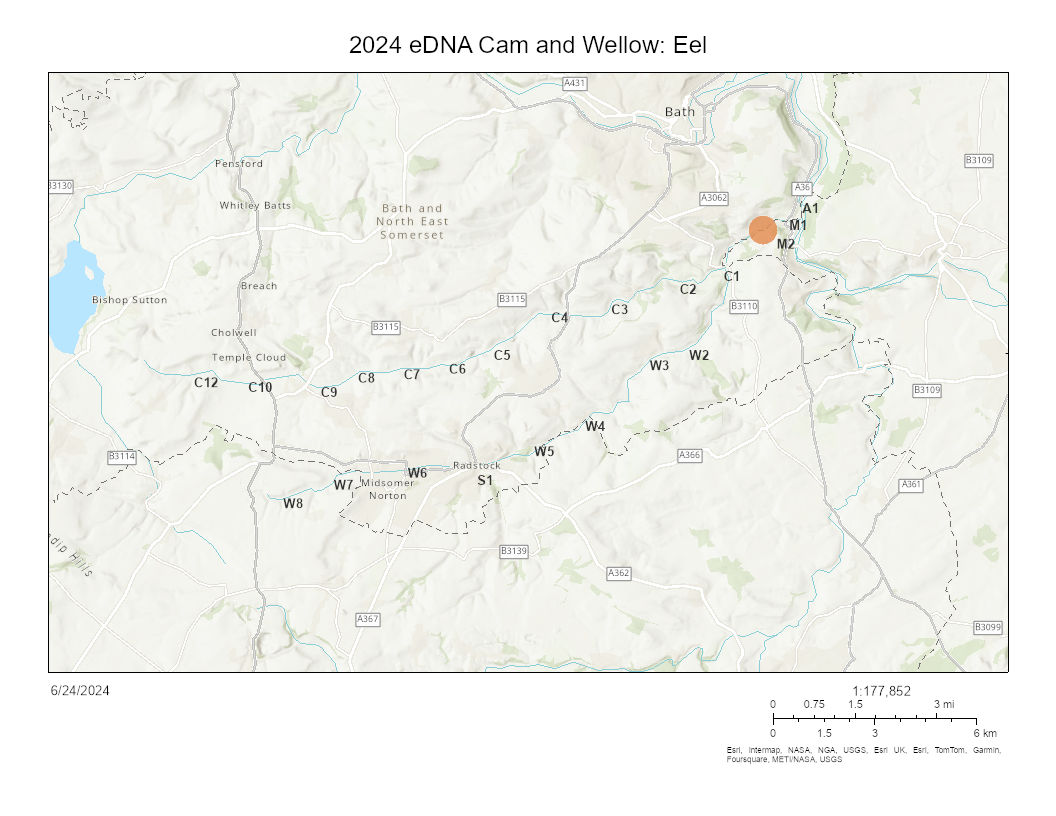
To measure the impact of this work, BART carried out environmental DNA (eDNA) surveys, which involve analysing water samples for genetic traces of species present in the river. Two surveys were completed; one in spring 2024 before installation, and another in spring 2025 after the works.
These findings highlight the value of targeted interventions to restore connectivity for migratory species. BART will continue to monitor eel movement and habitat conditions in the coming years to assess long-term outcomes and support ongoing fish recovery efforts across the catchment.
Eel tiles fitted to road culvert at the A 364 at Dunkerton
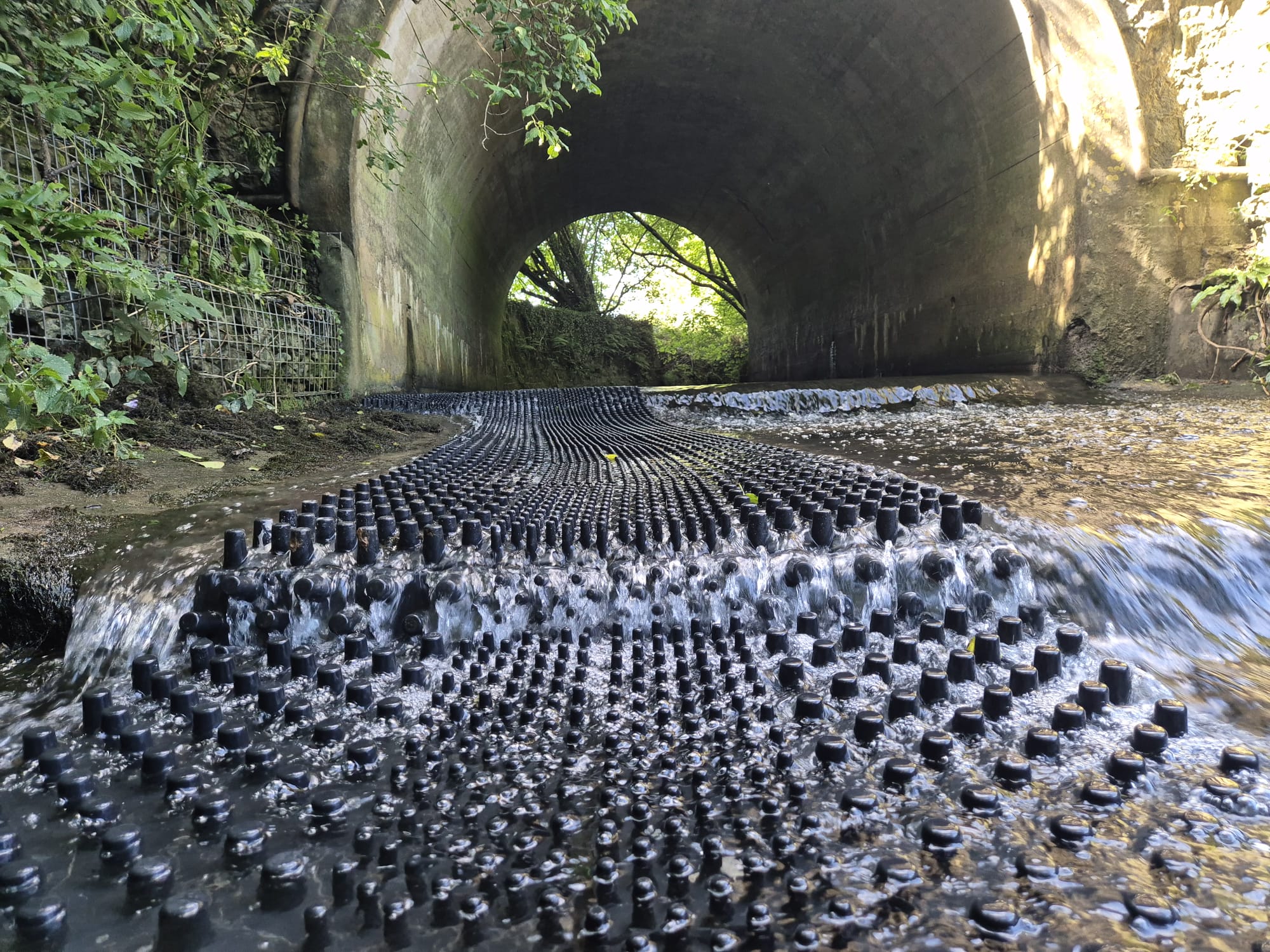
Eel tiles fitted to Midford Mill
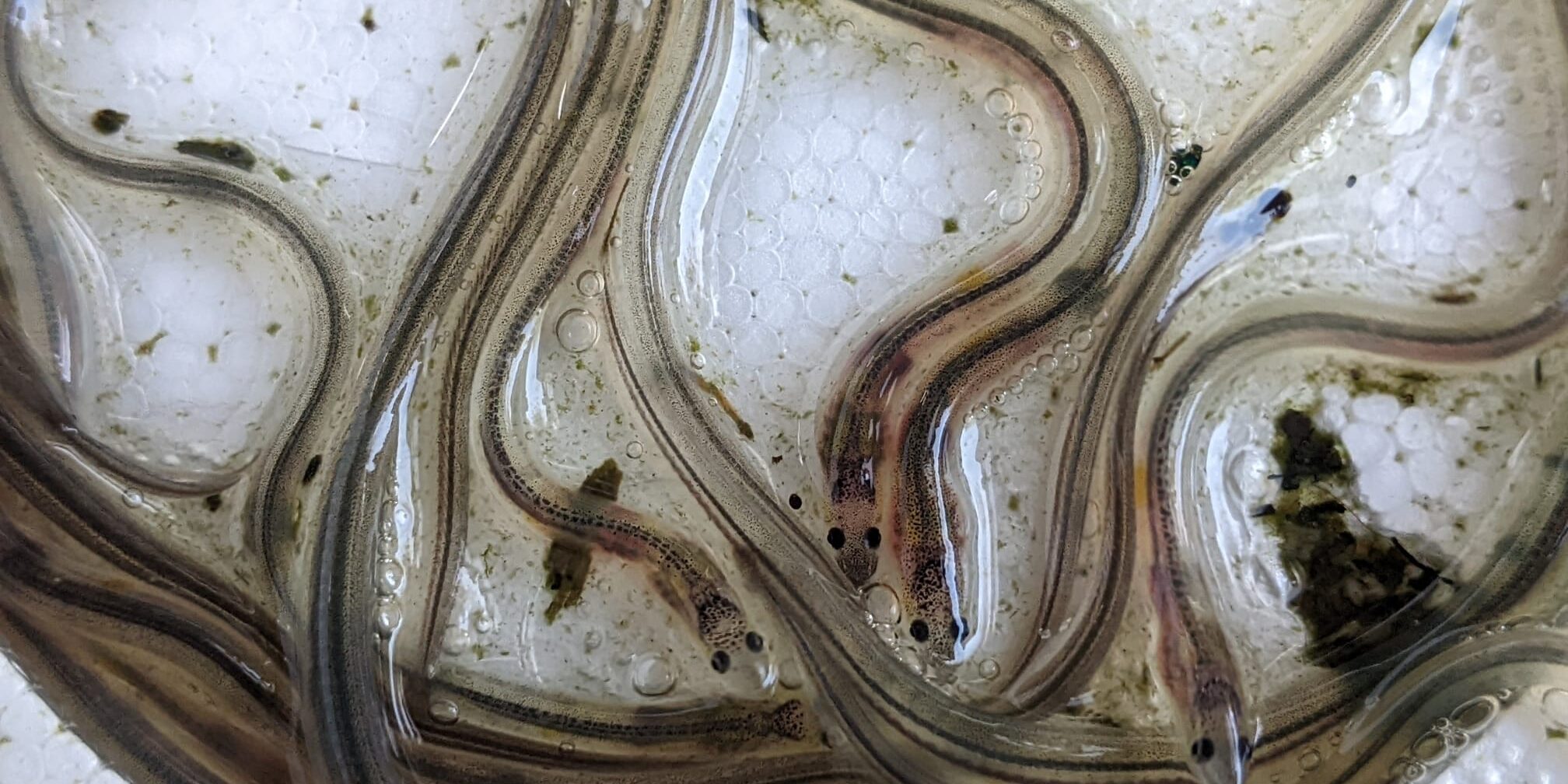
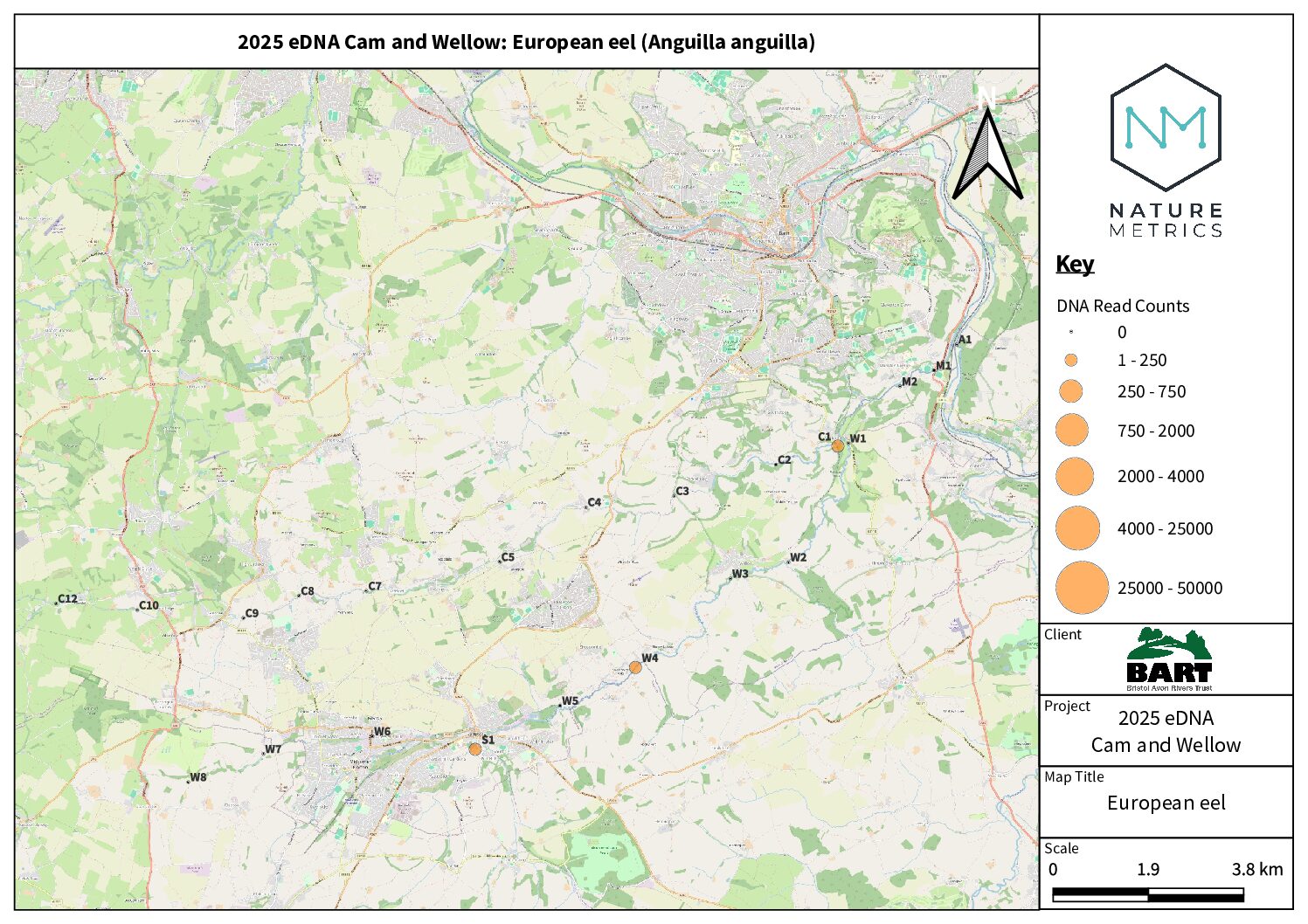
The results are encouraging: eDNA data show an expanded eel distribution range in 2025, with eel now detected above the barrier at Midford for the first time.
These findings highlight the value of targeted interventions to restore connectivity for migratory species. BART will continue to monitor eel movement and habitat conditions in the coming years to assess long-term outcomes and support ongoing fish recovery efforts across the catchment.
eDNA results from 2024 to 2025 showing the expansion of range of European eel
Restoring River Connectivity on the Cam and Wellow
BART has successfully removed two small, redundant agricultural weirs – one at Temple Cloud on the River Cam, and one at Welton on the Wellow Brook. These works will significantly enhance fish passage for species such as eel, brook lamprey and brown trout – contributing to healthier, more connected river systems – in fact removal of these two weirs alone open just over 5km of river habitat.
While full or partial weir removal delivers major environmental benefits, it also presents technical challenges, especially where adjoining infrastructure was built after the weir and relies on the impounded water levels. At both Temple Cloud and Welton weir sites, we have carried out detailed investigations of riverbed levels, flow conditions and nearby structures. We have also undertaken full reviews of heritage considerations and protected-species status in partnership with the Environment Agency and the relevant local planning authority before approval was granted.
The projects at Temple Cloud and Welton were successfully delivered during August and September 2025. BART will now undertake follow-up monitoring to assess changes in fish populations and river geomorphology before and after removal, helping to build a stronger evidence base on the benefits of such interventions.
These projects form part of our ongoing contribution to the Bristol Avon Fish Recovery Strategy – guiding collective action across the catchment for fish recovery. By removing physical barriers to migration and reconnecting habitat, this work directly supports the Strategy’s objectives, and helps deliver long-term nature recovery in the Bristol Avon catchment.
Temple Cloud weir pre-removal
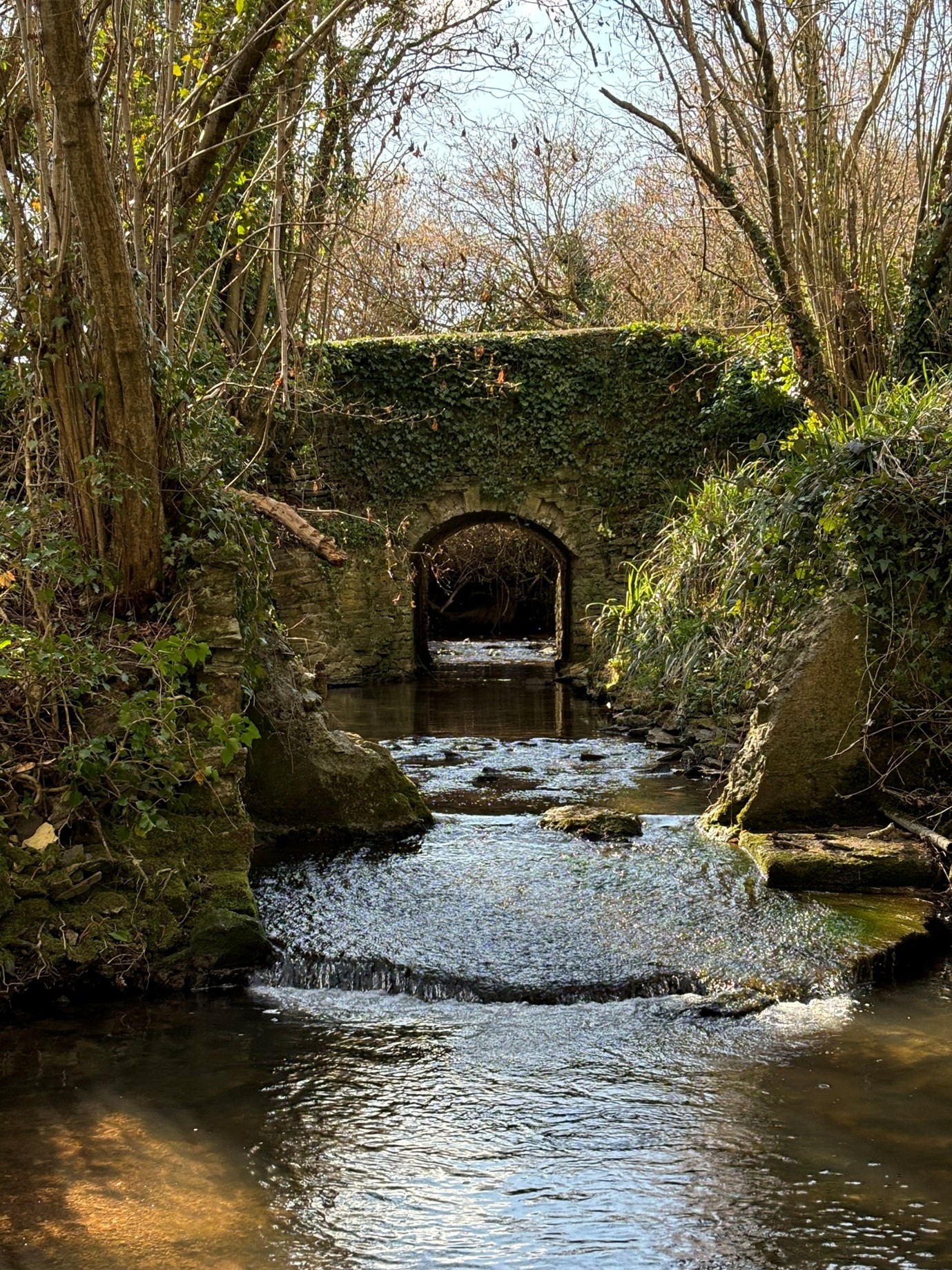
Temple Cloud weir post removal
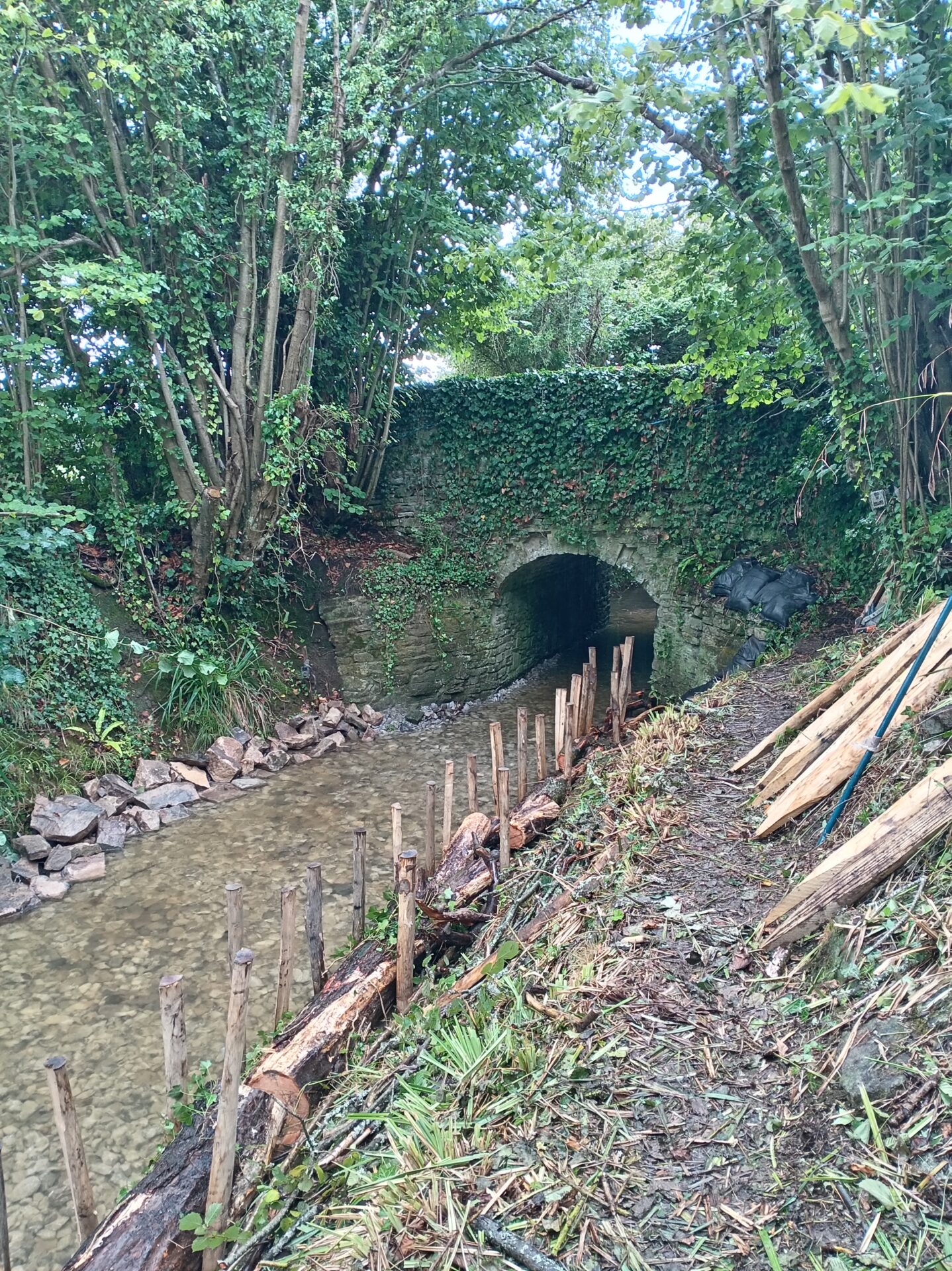
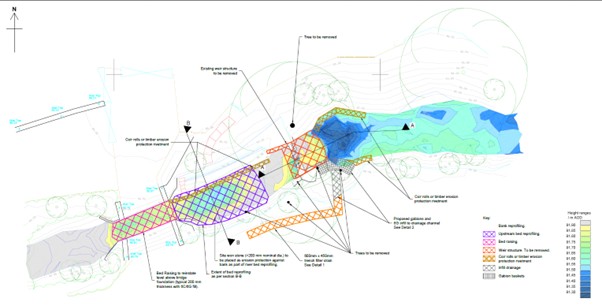
Temple Cloud during removal and technical drawing
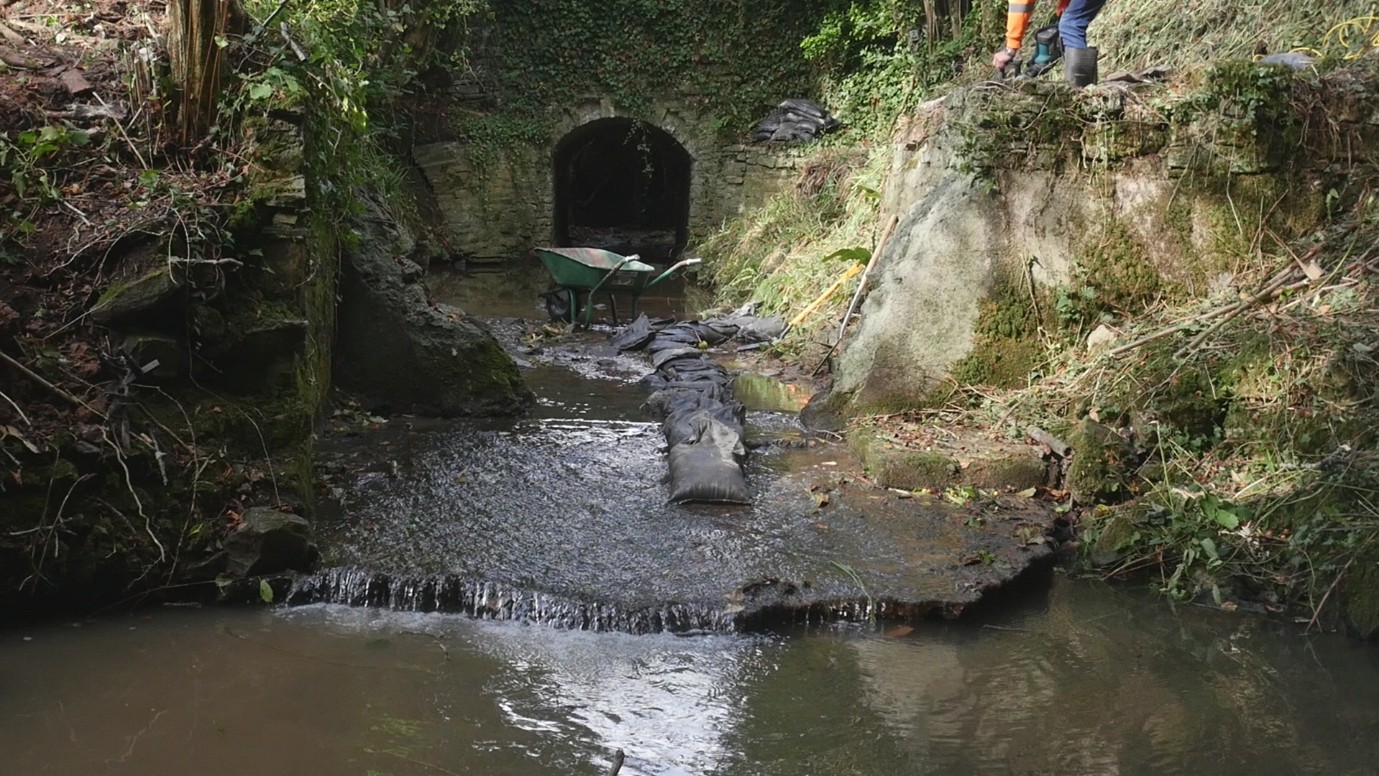
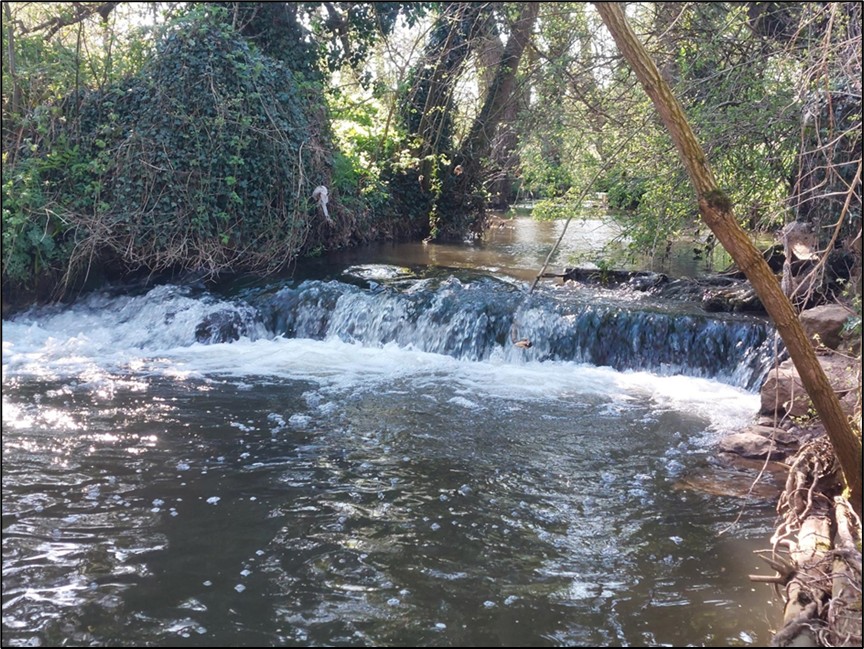
Welton weir pre-removal
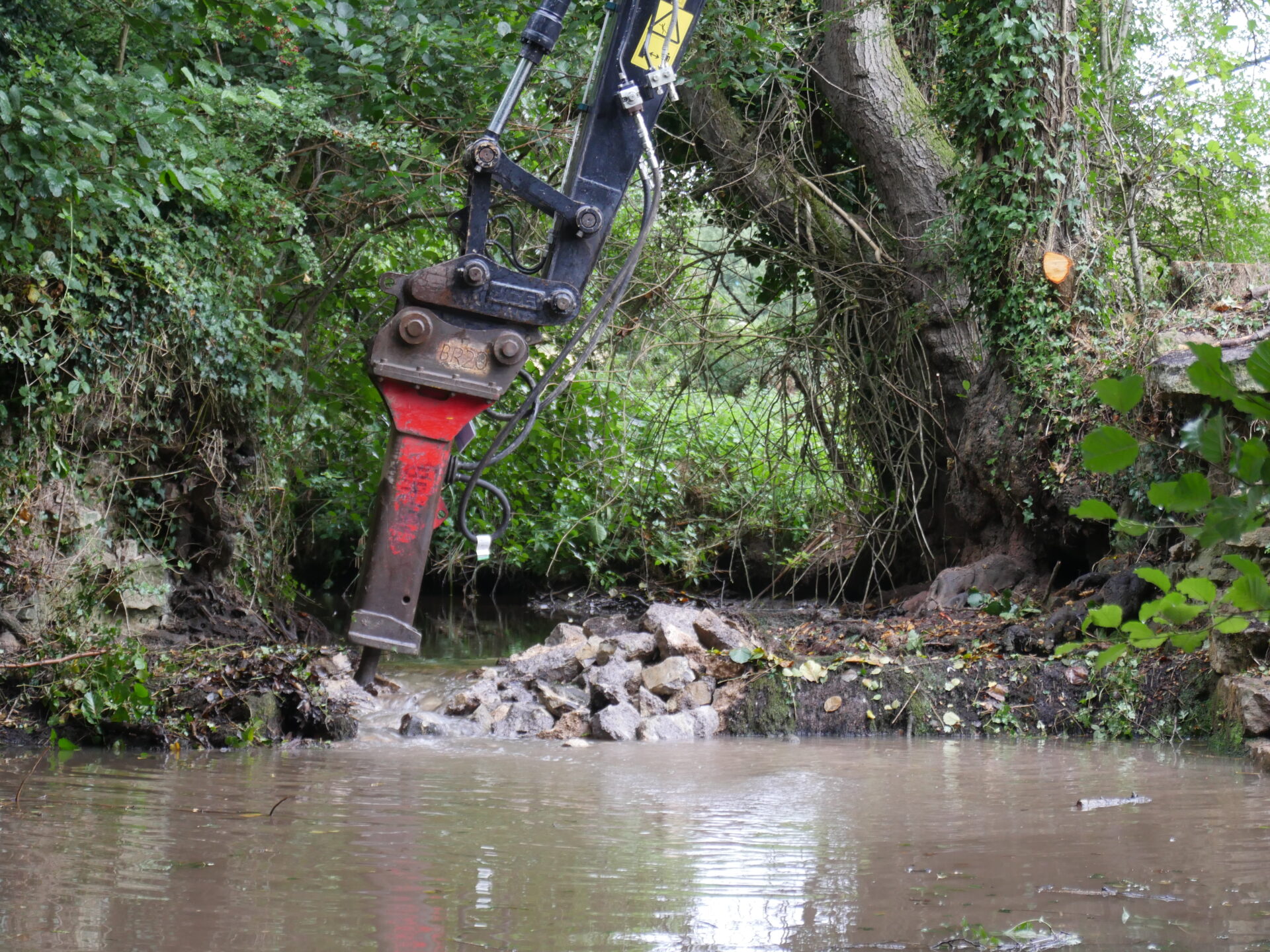
Welton weir during removal
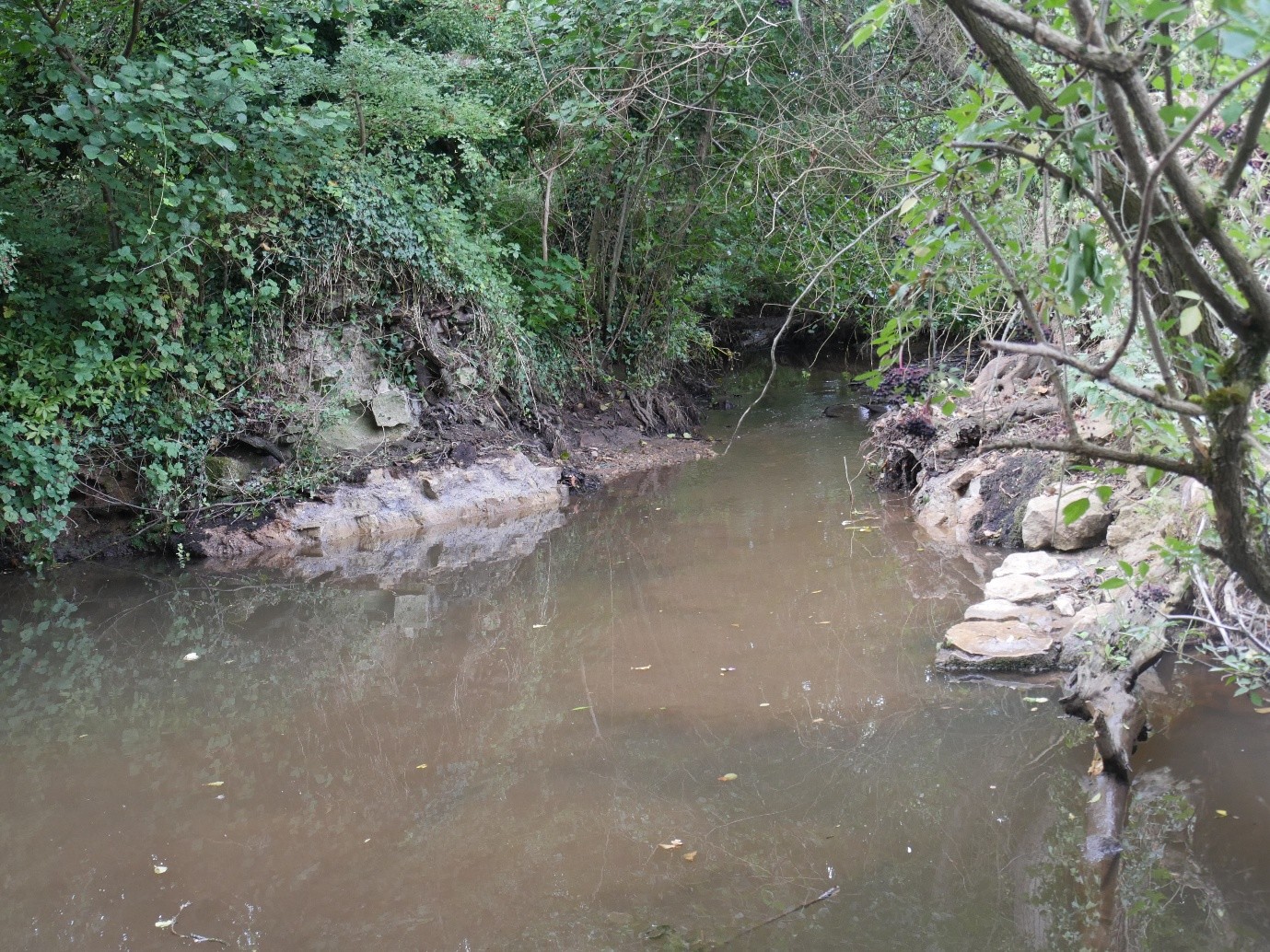
Welton weir post removal
BART is grateful to the Natural England – Species Recovery Programme for their generous funding of this work. BART looks forward to working with a range of funding partners to assess and widen the impact of this work in the Cam and the Wellow and in other catchments in the coming years.
Planning studies for further potential weir easements on the Cam, Wellow and Midford Brooks
BART has secured funding from Wessex Water to carry out an assessment exploring opportunities for further weir easements on four structures along the River Cam near Paulton. In addition, we are delighted to have received funding from an Environment Agency Local Water Environment Grant (LWEG) to develop design work for up to five more structures on the Wellow and Midford Brooks.
Together, these projects will help unlock significant improvements for fish passage across these watercourses, supporting the recovery of healthy, connected river systems. However, several substantial barriers remain, and addressing these will require a sustained, collaborative effort from all partners over the coming years.
BART looks forward to beginning the next phase of this work – engaging with landowners, liaising with stakeholders, and developing design options that will help deliver long-term improvements for fish movement and river health.
Article written by Michael Thompson