The European eel is a mysterious fish facing a lot of threats to its survival, and three schools in the BART catchment have been learning all about them in our annual Eels in the Classroom project.
European eels are critically endangered with key threats including habitat loss, overfishing, reduced water quality, dam construction, and climate change. With a fascinating life cycle which starts in the Sargasso Sea and brings them across the Atlantic Ocean, unfortunately the number of eels arriving in Europe has fallen by around 95% in the last 40 years.
Their unique life cycle takes them through a wide range of habitats and locations:
Eggs
European eels lay their eggs in the Sargasso Sea, where they will hatch into larvae.
Larvae
After hatching, these small clear, leaf-shaped eels, also known as Leptocephalus at this stage, drift along the currents and begin their 4,000-mile journey.
Glass eel
This long journey lasts one to two years, throughout which they will grow into glass eels; miniature transparent eels, measuring around 8cm.
Elver
The young eels reach the European coast, and in the case for our catchment, the Severn Estuary. As they enter our rivers to migrate upstream, not only does their environment change, but their body continues to as well. The eels darken in colour, in an intermediate stage known as elvers.
Yellow eel
The transformation doesn’t stop there. As they mature, the eels develop yellow bellies, and they can remain in their yellow eel life stage for up to 20 years, where they will remain living in upstream habitats.
Silver eel
Over several years the eels gradually darken in colour, and mature. When they are ready to spawn, the eels will complete their journey backwards, all the way back to the Sargasso Sea to breed, where they will die after laying their eggs.
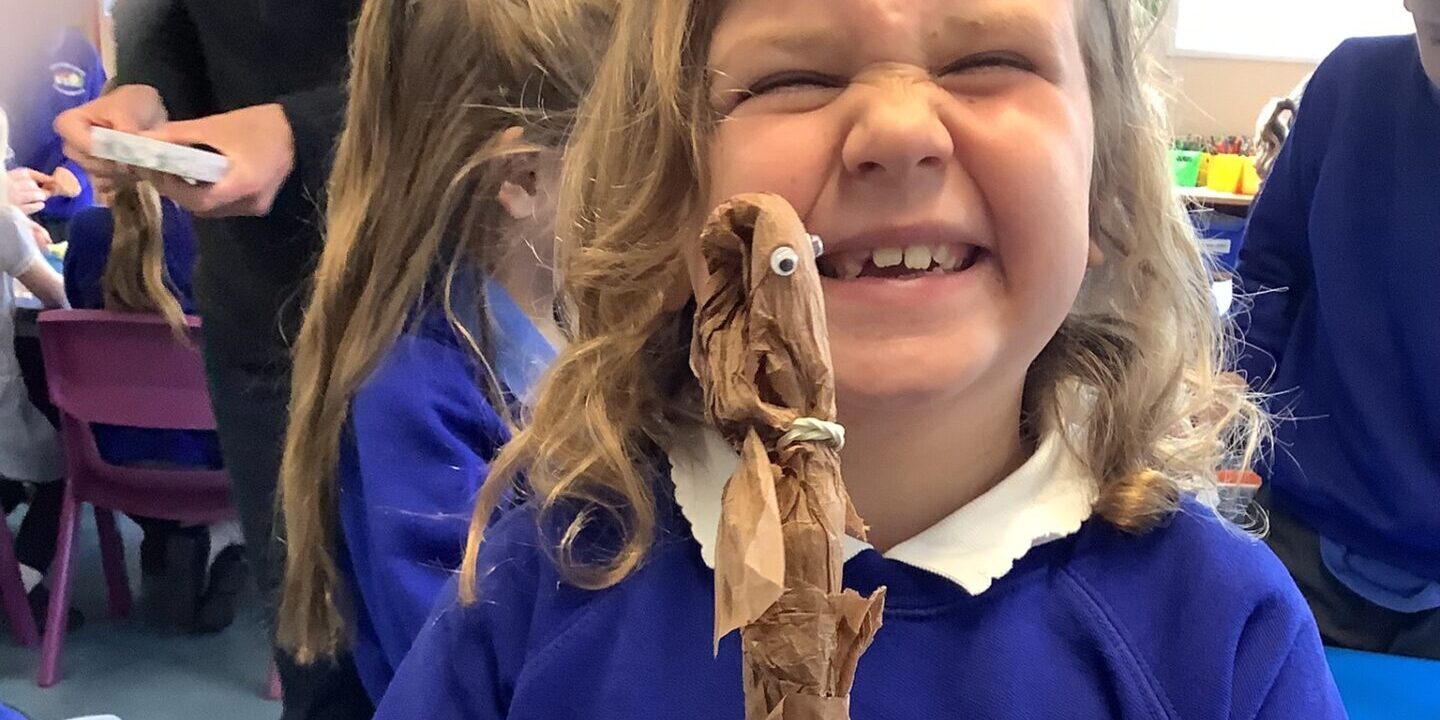
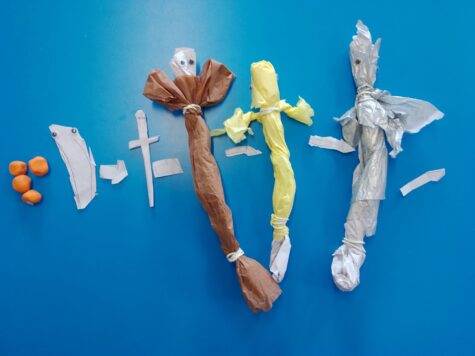
Children learnt about this amazing life cycle and threats to their survival, and showed their knowledge by creating their own amazing 3D life cycle models to demonstrate all the unique life stages of these animals.
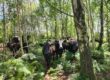
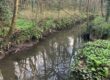
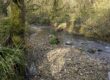
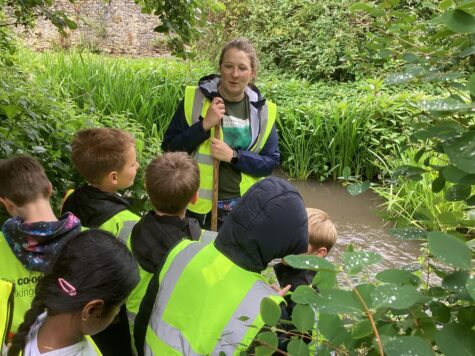
Despite their 95% decline since the 1980’s, we are lucky to have some eel populations in our catchment. We took school children out to their local river to understand eel habitat, and how these creatures survive.
Down in Somerset, children from Croscombe Primary School and Shepton Mallet Primary School visited their local stretch of the River Sheppey. And up in South Gloucestershire we had a class from Holy Trinity visit their local waterway, Patchway Brook.
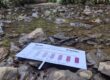
The children took part in a river dipping activity where the children took a close look at the invertebrate communities in their local river. By identifying all the different invertebrate types they found, they could understand how the diversity of these creatures provide an important food source for eels.
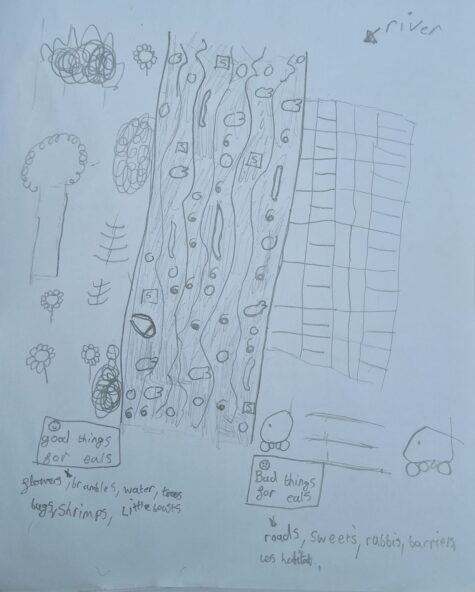
Finally, the children learnt how to map their local river, spotting features which have positive and negative effects on eels and demonstrating this in their own labelled map. We found some great features such as aquatic vegetation, gravel patches, and variations in water depth and speed. However, we also identified issues such as litter, river walls, road runoff pipes, and loss of habitat to urban development.
Thank you to Croscombe Primary School, Shepton Mallet Primary School, and Holy Trinity Primary School for getting involved in this project.
Thank you to the Wild Trout Trust and the Environment Agency for funding this project.