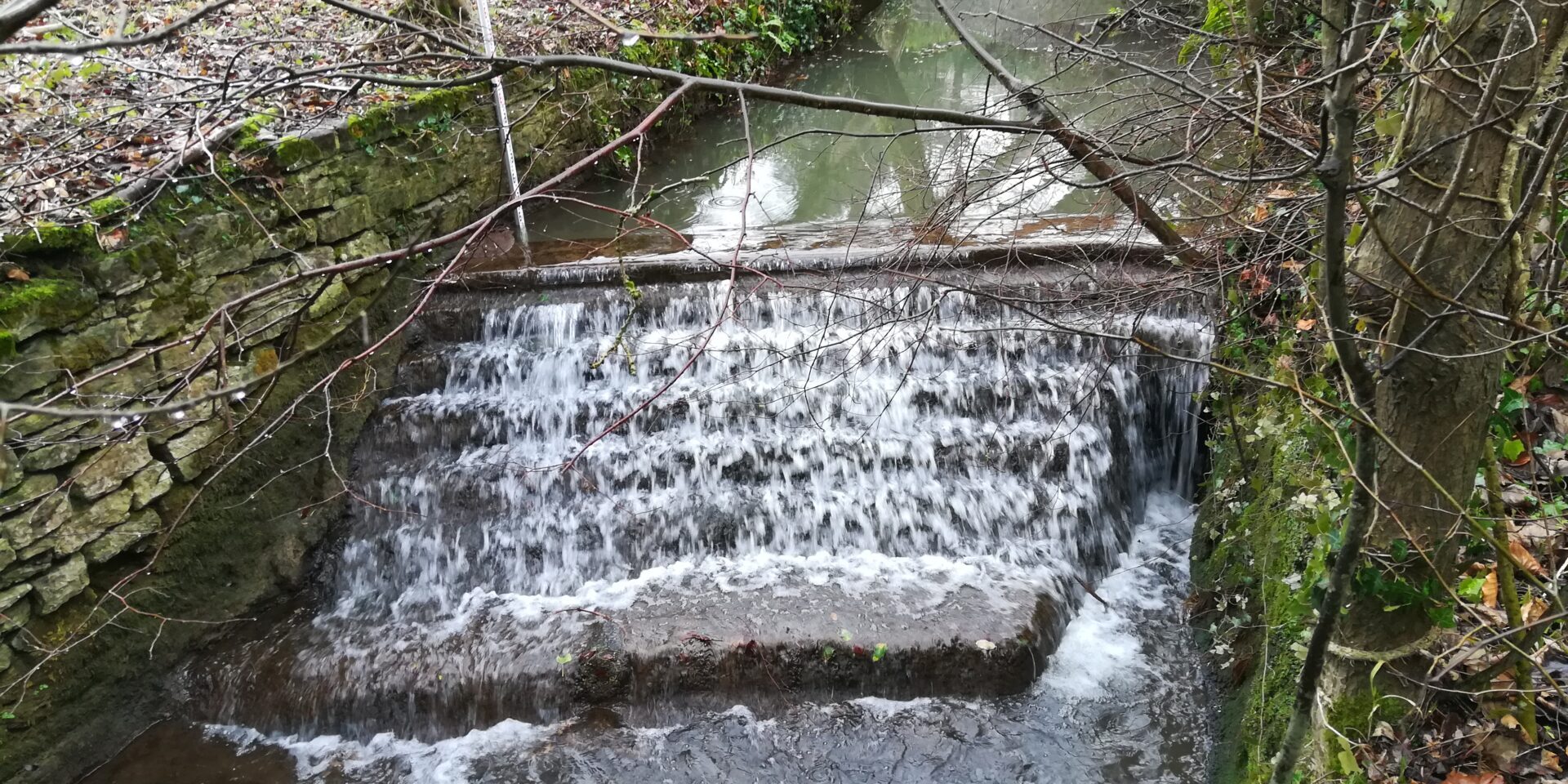
The Bristol Avon is one of the region’s most important river systems, supporting a rich variety of fish species including salmon, brown trout, and European eels. However, the legacy of human intervention has left a lasting mark. The presence of weirs and sluice gates – man-made barriers historically used to control water levels for mills, navigation, or flood management, continues to present one of the biggest challenges to the health of naturally sustaining fish populations and the wider river ecosystem.
How Weirs Affect River Health
Weirs significantly alter the natural structure and function of rivers. By changing flow dynamics, they disrupt sediment transport and prevent the movement of gravel and silt that would naturally replenish riverbeds downstream. This often leads to riverbed erosion, channel deepening, and a loss of habitat diversity.
Upstream of a weir, water becomes slow-moving and stagnant, encouraging the build-up of algae and bacteria, particularly where nutrients are elevated. Most critically, weirs block the migration routes of fish, preventing them from reaching essential spawning and feeding grounds.
For migratory species such as Atlantic salmon and European eel, these barriers can be devastating, isolating populations and severely limiting natural recolonisation after pollution or drought incidents. Over time, this has resulted in declining fish diversity and fragmented habitats throughout many reaches of the Bristol Avon.
BART’s Work to Restore River Connectivity
At Bristol Avon Rivers Trust (BART), we’re working with partners through the Bristol Avon Catchment Partnership to reverse this decline. We view barrier removal and modification as one of the most cost-effective and scientifically proven ways to restore river health and natural processes.
Through the Bristol Avon Fish Recovery Strategy, BART is leading efforts to improve fish passage, reconnect fragmented habitats, and build evidence for long-term ecosystem recovery.
Our approach is balanced, recognising that while some weirs are environmentally redundant, others hold important heritage or social value. Each site is carefully assessed to ensure environmental benefits are maximised while respecting local context and community interests.
From Fish Passes to Full Removals
Where possible, BART supports full or partial weir removals, which deliver the greatest ecological benefits. In other cases, we work with engineers and regulators to install fish passes or eel tiles, helping species move freely through the system.
Monitoring plays a key part in our approach. Through techniques such as eDNA sampling and fish population surveys, we track how species respond to these interventions, building a strong evidence base for future projects.
Supporting Anglers and Local Communities
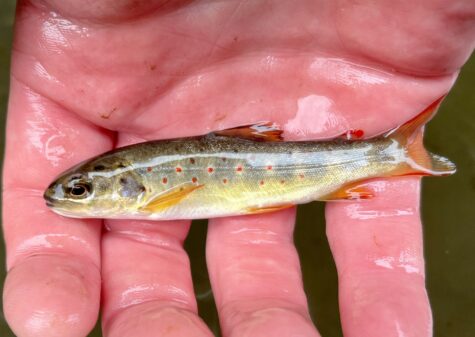
Healthy fish populations are essential not only for biodiversity, but also for the thousands of people who enjoy angling across the Bristol Avon catchment. Unfortunately, the effects of weirs reduced fish movement and declining populations – directly impact anglers too.
That’s why many local angling clubs are actively supporting habitat restoration and catch-and-release practices to protect vulnerable species. BART continues to collaborate closely with these groups to ensure the river’s recovery benefits both wildlife and people.
Looking Ahead
Restoring the Bristol Avon’s connectivity is a long-term challenge but one that’s vital for the future of our rivers and communities. By removing obsolete barriers, improving fish passage, and engaging landowners and local people, we can help the river flow naturally once again, supporting resilient fish populations for generations to come.
To learn more about the strategic vision guiding this work, visit the Bristol Avon Fish Recovery Strategy
You can also read The Rivers Trust’s position on barrier removals here.
Find out about BART’s latest barrier removal / easement projects here: Supporting Eel Migration on the Cam and Wellow Brooks