By Simon Hunter, CEO, Bristol Avon Rivers Trust
There is something wonderful about seeing people enjoying our rivers in the sunshine. Families paddling, wildlife flourishing, walkers stopping to watch kingfishers or dragonflies, these moments remind us why rivers are at the heart of our communities.
But while we’re enjoying the warm weather, our rivers are under increasing pressure.
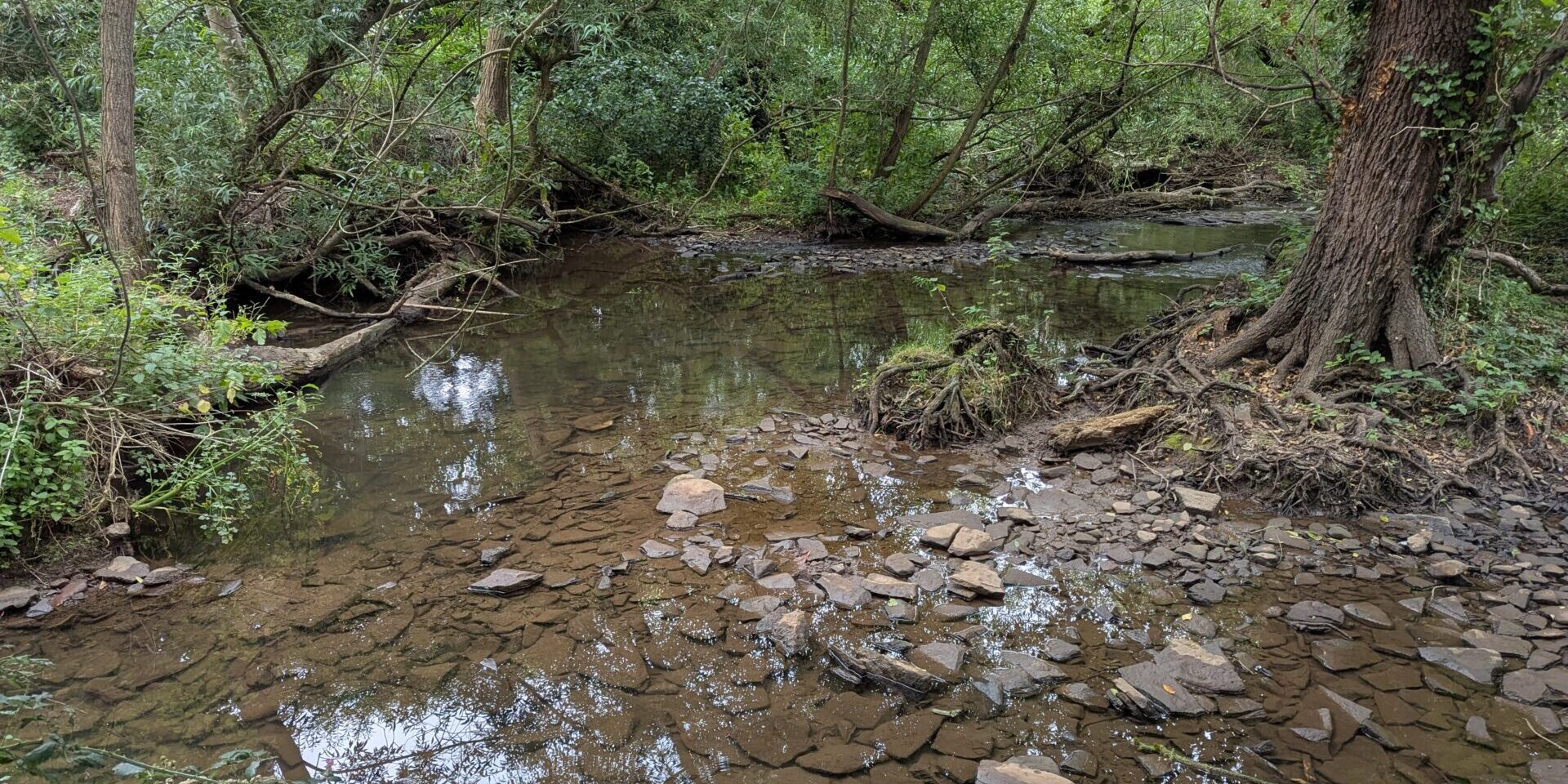
Every heatwave tells a story. If you know what to look for, you can see it unfolding. Water levels begin to fall. The current slows. Water temperatures rise. Oxygen levels drop. Fish and aquatic insects work harder to survive, while algae can quickly take hold. For rivers that are already suffering from pollution, habitat loss or over-abstraction, extreme heat can push them much closer to crisis.
Climate change isn’t something that’s coming in the future. It’s here now, and our rivers are among the first places where we see its effects.
The encouraging news is that healthy rivers are surprisingly resilient.
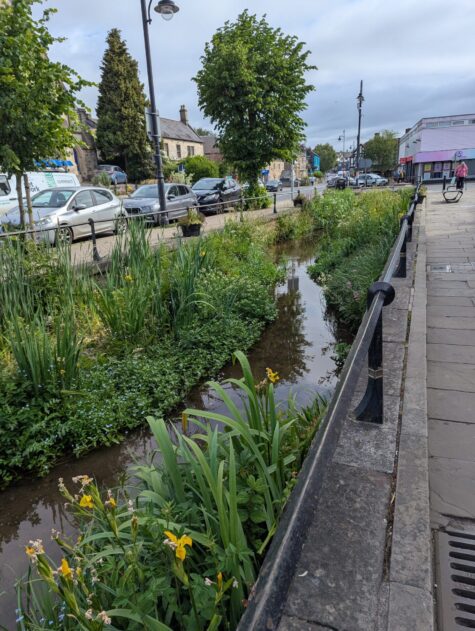
A river shaded by native trees can remain several degrees cooler than one exposed to the full sun. A restored floodplain doesn’t just reduce flooding in winter; it also helps hold water in the landscape for longer during dry periods. Wetlands act like natural sponges, releasing water slowly when it’s needed most. Diverse habitats provide places where wildlife can find refuge when conditions become challenging.
This is why river restoration isn’t simply about conservation. It’s about building resilience.
At Bristol Avon Rivers Trust, we’re fortunate to work alongside farmers, landowners, local authorities, businesses, anglers, volunteers and community groups who all recognise that healthy rivers benefit everyone. We plant trees, restore wetlands, reconnect rivers with their floodplains, remove barriers to fish migration and work to tackle pollution at its source.
These aren’t just environmental projects. They’re investments in climate adaptation.
Healthy rivers support farming, reduce flood risk, improve water quality, create places where people can connect with nature and strengthen local economies. Every pound invested in restoring our rivers delivers benefits far beyond the riverbank itself.
The reality is that no single organisation can solve these challenges alone. Rivers connect all of us, and protecting them requires the same joined-up thinking. That’s why partnerships matter so much. Whether you’re a farmer changing how water is managed on your land, a business reducing pollution, a volunteer planting riverside trees or simply someone choosing to use water wisely during a dry spell, you’re contributing to something much bigger.
One thing I’ve learned during my time at Bristol Avon Rivers Trust is that people care deeply about their local rivers. They want to see salmon return, otters thrive, children safely explore streams and communities protected from flooding. They understand instinctively that healthy rivers mean healthy places.
The challenge now is to match that passion with action.
As another heatwave arrives, it’s worth remembering that our rivers are doing an extraordinary job every single day. They supply our drinking water, support wildlife, sustain agriculture, capture carbon, cool our landscapes and improve our wellbeing. Yet too often we only notice them when something goes wrong.
We have an opportunity to change that.
If we continue investing in nature-based solutions, restoring habitats and working together across whole catchments, we can build rivers that are resilient enough to cope with a changing climate. We won’t stop heatwaves, but we can ensure our rivers are better prepared for them.
Future generations won’t judge us by how hot the summers became. They’ll judge us by what we chose to do about it.
For me, the answer is clear. Healthy rivers are not a luxury. They are one of the foundations of a healthy, resilient and prosperous future. Every tree we plant, every wetland we restore and every stretch of river we bring back to life is an investment in that future.
And that’s a future well worth working for.