Project overview:
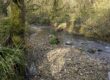
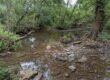
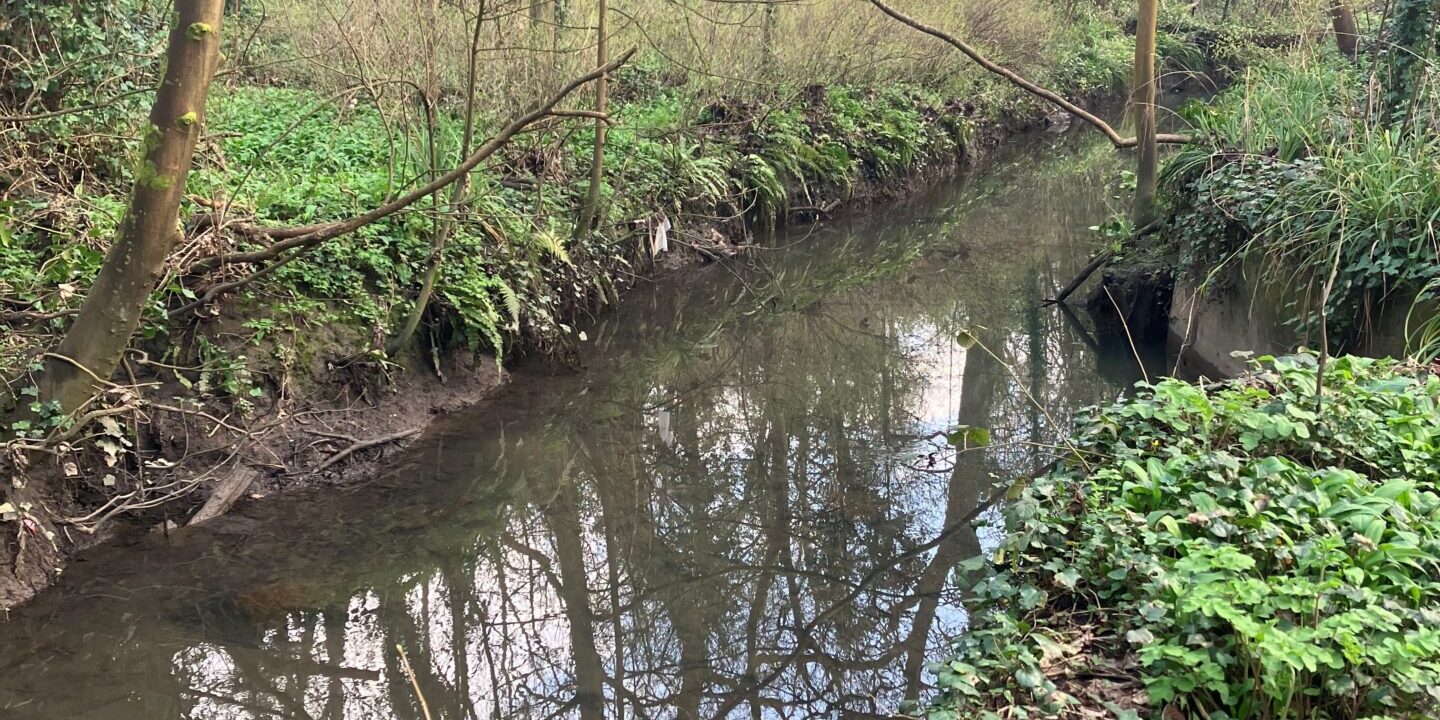
This Autumn 2026, BART will be working with Bristol City Council to carry out river restoration works on the River Trym along a section of river downstream of Coombe Dingle car park.
The project is being funded by the West of England Mayoral Combined Authority’s Green Recovery Fund, with support from Bristol City Council, and aims to improve river health and biodiversity by creating new in-stream habitat for resident fish populations.
The River Trym is a small but ecologically significant urban river. It supports a diverse range of wildlife; including brown trout, European eels, otters and kingfishers. The river also provides an important space for recreation and access, with community groups, such a Trout on the Trym playing a vital role in its care and conservation.
What is the issue:
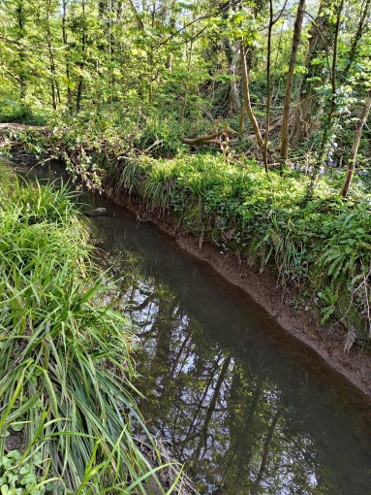
Following walkover surveys, BART identified that this section of river, like much of the Trym, has been historically modified and straightened, resulting in relatively low habitat complexity and limited cover for fish. The survey highlighted opportunities to improve habitat for fish and aquatic invertebrates and improve in-channel flow diversity.
What the works will deliver:
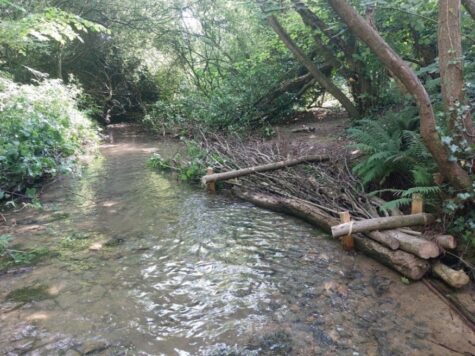
The restoration works will involve the selective felling and coppicing of small trees and the installation of in-stream woody structures, including hinged trees, flow deflectors and berms. These in-stream structures will provide significant benefits for river biodiversity by increase in-channel cover, diversify flow patterns creating a greater variety of habitats for fish and aquatic invertebrates.
Impact on trees:
The restoration works will involve selective coppicing to increase the amount of sunlight reaching the water and a small number of trees will be felled, or where possible, hinge cut to facilitate the installation of in-stream woody structures. The site will be surveyed by BART’s in-house ecologist, and trees carefully selected to minimise impacts on the site’s wider ecological value.
Hinge cutting involves partially cutting a tree so that it remains attached at the base and continues to live, while being repositioned into the river channel. This technique provides additional habitat value and the benefits of retaining a living tree.
Coppicing is a woodland management technique where trees are cut down to their base, encouraging new shoots to grow from the stump or roots. This allows us to let the necessary light in for the riverside plants without killing the trees, making it a more sustainable forestry practice. The selective watercourse coppicing will aim to achieve a target of around 60% shade and 40% light to support a healthier habitat.
Additional works being delivered:
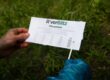
In addition to the habitat restoration works, BART has been carrying out environmental DNA (eDNA) surveys and assessments of a number of weirs across the wider catchment. These surveys are helping us to better understand fish populations and identify barriers to fish passage. We look forward to sharing the findings of this work in the coming months.
BART has been working closely with Bristol City Council and Trout on the Trym to make sure the works are delivered effectively and will be keen to get support from volunteers.
‘This habitat enhancement work by BART will be great for the wildlife in this part of our river and builds on years of clean-up efforts by local volunteers. Exciting times!’ Peter Coleman-Smith, Trout in the Trym
Get in touch:
For more information about the planned works, or to express your interest in volunteering, please get in touch with BART at info@bristolavonriverstrust.org.