By Simon Hunter, Chief Executive of Bristol Avon Rivers Trust
I have always found something reassuring about standing beside a river. They have a way of putting things into perspective. They keep moving, they connect places and people, and they remind us that what happens upstream will eventually affect what happens downstream. But increasingly, our rivers are telling us something that we cannot ignore.
They are under pressure.
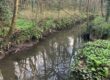
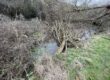
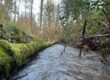
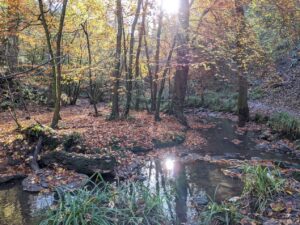
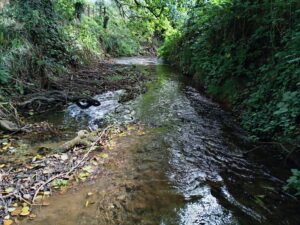
Across the Bristol Avon catchment, we are seeing very low flows, sections of river running dry, increasing sediment problems and the impacts of prolonged periods of dry weather. Our Riverfly Monitors, BART Detectives and Water Guardians are seeing these changes first-hand through their regular monitoring. In some places, there simply hasn’t been enough water to take a riverfly sample. That is a pretty stark indication of the condition of our rivers.
A river doesn’t need to be completely dry to be in trouble
It is easy to think of drought as a river disappearing completely. The reality is more complicated.
As flows fall, water temperatures rise and oxygen levels can decrease. Pollution becomes more concentrated. Fish and other aquatic life have less habitat available to them. The natural processes that make a healthy river function begin to break down. For a river already under pressure from pollution, physical modification, barriers, sediment and abstraction, prolonged low flows add another significant challenge.
However, this is not just an environmental issue. Our rivers are fundamental to the resilience of our landscapes, communities and businesses. They influence flooding, water resources, farming, biodiversity, and the places where people live, work, and spend their time.
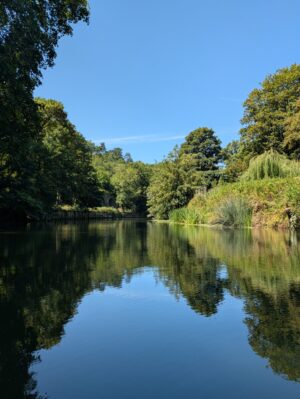
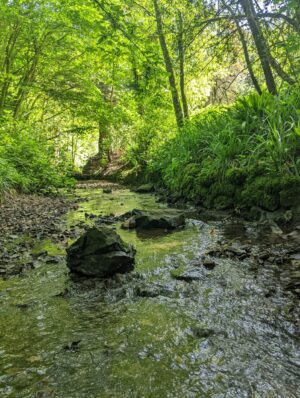
Healthy rivers are central to a healthy landscape.
I remain optimistic – I don’t think it is helpful simply to talk about how bad things are.
One of the reasons I enjoy working in river restoration is that we can see change happening. At BART, we work with farmers who are changing how they manage land and water. We work with communities who care deeply about their local streams. We work with partners to restore river habitats, improve fish passage, create wetlands, and use natural processes to manage water more effectively. Our work also influences water quality improvements too.
Increasingly, local partnerships are beginning to plan at the scale that rivers actually operate, across whole catchments.
That is important, because we cannot restore a river simply by fixing one problem at a time – and many nature-based solutions, if designed effectively tackle multiple problems.
We need to think differently about water
If we are serious about restoring our rivers, we need to think much more carefully about how water moves through the landscape.
A healthy river starts well beyond its banks. It starts in the soil. It starts in our fields and woodlands. It starts in wetlands and headwaters. It starts with how we manage rainfall when it first hits the ground – including in our towns and cities.
If we can slow water down, hold it in the landscape and allow it to move naturally through wetlands, soils and floodplains, we can help reduce flooding when rainfall is intense and retain more water in the landscape when conditions become dry. That is a much more resilient approach than simply trying to move water away as quickly as possible. We need to work with rivers, rather than continually trying to control them.
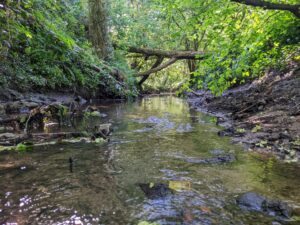
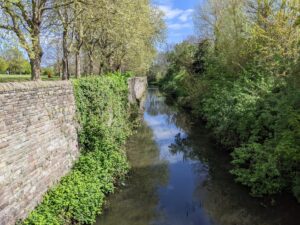
We also need to listen to the people who know their rivers
One of the things that gives me real hope is the commitment of our citizen scientists.
Our Riverfly Monitors, Water Guardians and BART Detectives regularly visit their local rivers. They know what they normally look like. They notice when something changes. They are often the first people to tell us that something isn’t right. Their observations provide valuable evidence, but they also demonstrate something else: people care. They care about their local stream. They care about the wildlife that lives there and they want to see it healthy.
That connection between people and their rivers is incredibly important. You protect what you value, and you value what you know.
So what do we do?
There is no single solution.
We need better land management. We need to restore wetlands and floodplains. We need to improve water quality. We need to tackle barriers to fish migration. We need to reduce unnecessary sediment entering our rivers. We need to manage abstraction carefully. We need to restore natural river processes.
To do this we need to ensure that investment in river restoration happens at a scale that matches the scale of the challenge. Most importantly, we need to work together. No single organisation can fix the Bristol Avon. It requires farmers, communities, councils, water companies, regulators, businesses, landowners, and environmental organisations to work towards the same goal. That is what catchment-scale restoration is about – working together in partnership.
This World Rivers Day, let’s do more than celebrate our rivers
I love seeing people enjoying our rivers. I love seeing children getting excited about finding insects in a stream, people spotting kingfishers from a riverbank, anglers talking about fish and communities coming together to improve their local watercourse.
Those moments matter, but if we genuinely value our rivers, we also have to be prepared to protect them.
Our rivers need more than our admiration. They need our action.
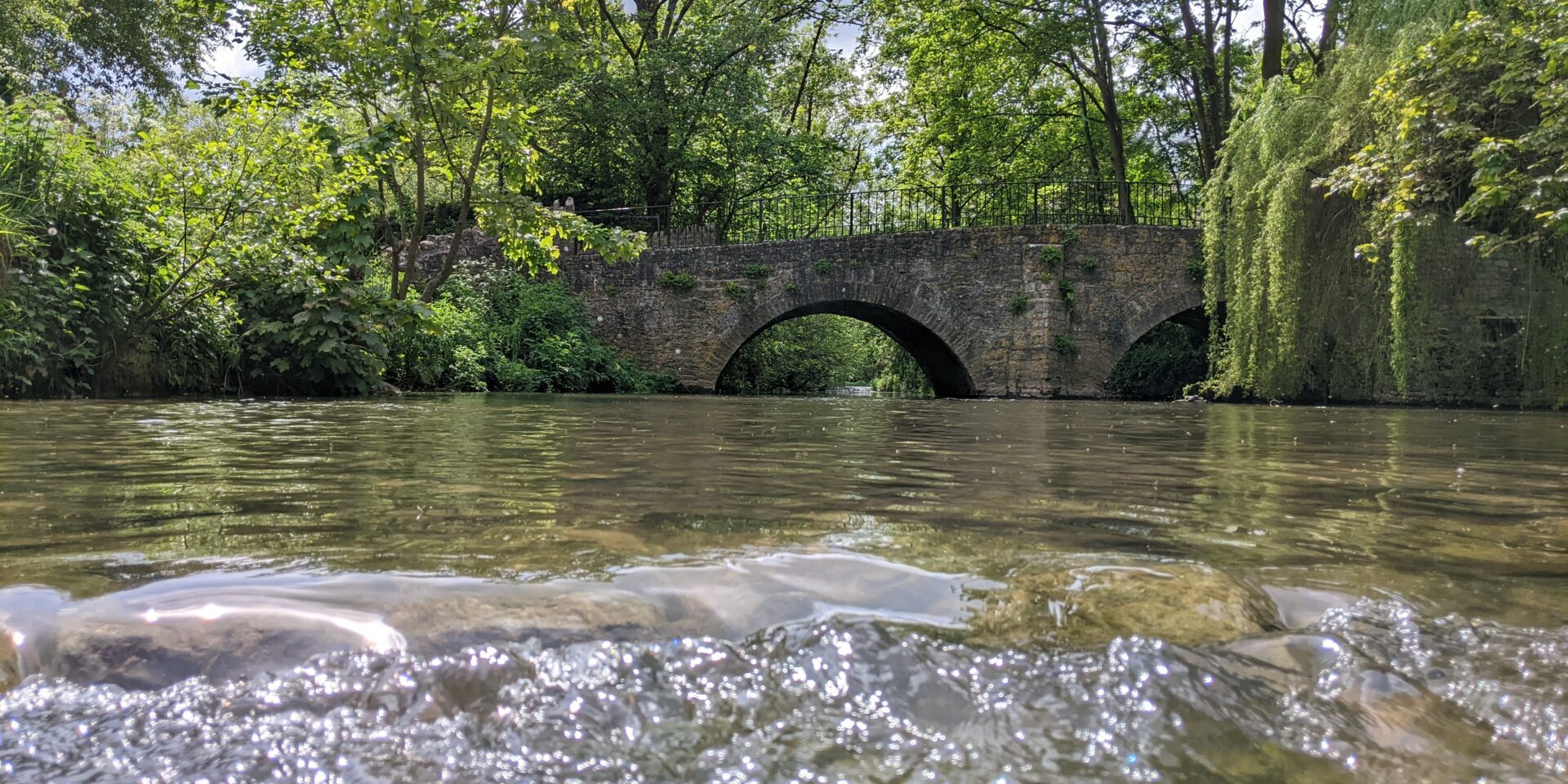
So this World Rivers Day, I would encourage you to find your local river.
Walk beside it. Learn its name. Find out where its water comes from and where it goes. Look at the wildlife. Notice when something changes – and report pollution to the Environment Agency via its pollution hotline 0800 80 70 60.
Protecting our rivers is something we all have a part in.
At BART, our ambition is to see a Bristol Avon catchment where rivers are healthy, resilient and full of life and where people understand, value and care for them. That is a big ambition, but I believe it is achievable.
If we get it right, the reward won’t simply be healthier rivers. It will be a healthier, more resilient landscape for all of us.
Our rivers are worth fighting for and we need to give them every chance we can.
Simon Hunter
Chief Executive, Bristol Avon Rivers Trust