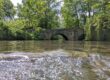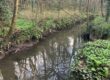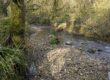
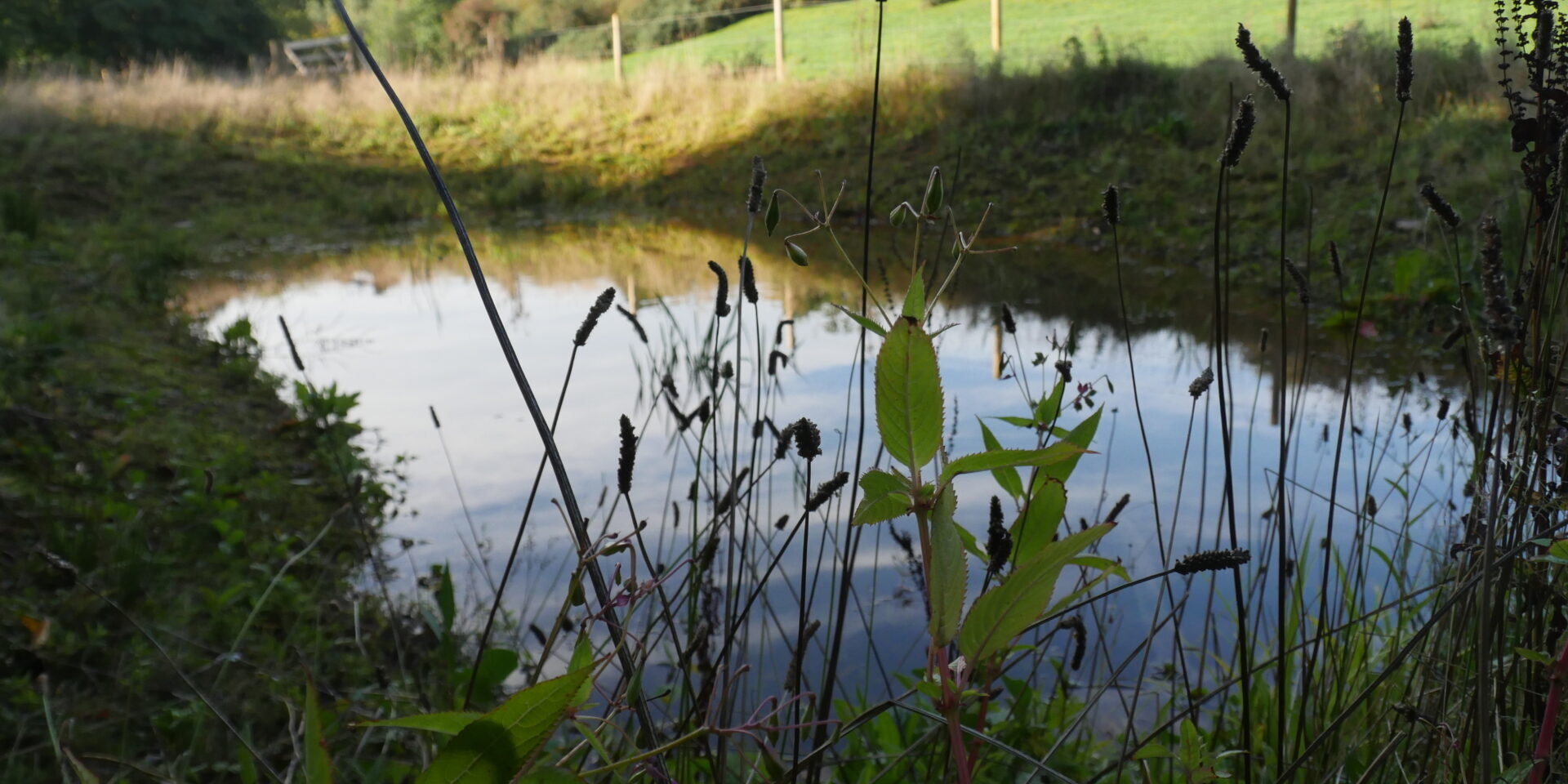
Working in partnership with Mossy Earth, Bristol Avon Rivers Trust (BART) has been delivering practical river and floodplain habitat improvements along Bathford and Candlestick Brooks, helping to create healthier, more diverse environments for wildlife.
Healthy rivers need more than clean water. They depend on natural processes, varied habitats and a connected river corridor that provides space for wildlife to thrive. Across the Bristol Avon catchment, many rivers have been altered over time, leaving them with reduced habitat diversity and limited opportunities for wildlife.
Through a partnership with environmental project funder Mossy Earth, BART has been working to address some of these challenges along Bathford and Candlestick Brooks, two tributaries of the River Chew.
Working with nature to improve river habitats
The project has used a range of nature-based techniques to improve habitat diversity and restore some of the natural features that make rivers and their surrounding landscapes so important for wildlife.
These have included:
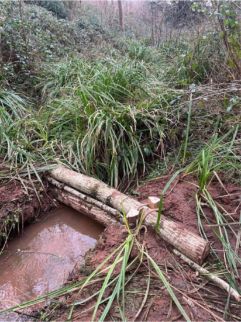
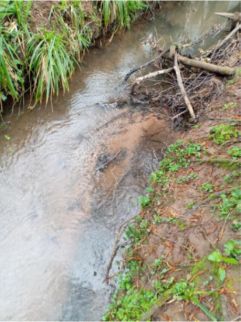
- Brushwood berms: Using natural woody material to create new areas of varied flow, encourage sediment deposition and provide valuable habitat within the river channel.
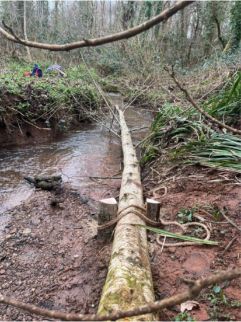
- Tree hinging: Carefully repositioning trees into the river to introduce natural woody material, create sheltered areas and increase habitat complexity.
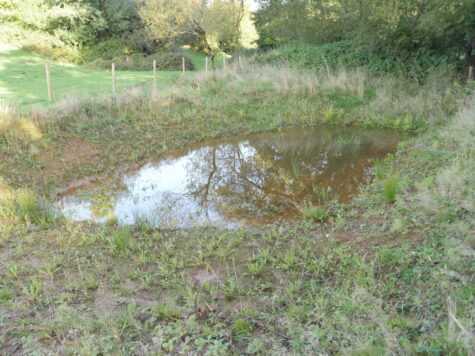
- Floodplain scrapes: Creating shallow wetland features across the floodplain to provide additional habitat for wildlife and increase opportunities for water to be held within the landscape.
Together, these interventions help create a more varied river environment, supporting aquatic life and wider biodiversity while working with natural river processes.
Measuring the difference
An important part of the project has been understanding the impact of the work, not simply measuring what has been delivered on the ground.
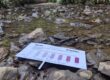
With Mossy Earth’s support, BART has undertaken ecological monitoring at the project sites, including River Condition Assessments and macroinvertebrate surveys.
River Condition Assessments help us understand the physical characteristics and overall condition of a river, including its channel, banks, habitats and natural processes. Macroinvertebrate surveys look at the small aquatic creatures living in the river, such as mayfly, stonefly and caddisfly larvae. These are particularly useful indicators of river health, as different species have different sensitivities to pollution and changes in their environment.
By combining these approaches, we can build a more complete picture of the river’s condition and begin to understand how habitat improvements are contributing to its recovery. This evidence is also valuable in informing future restoration work and helping us demonstrate the difference that targeted interventions can make.
Working together for healthier rivers
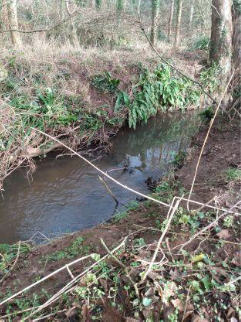
Partnerships with organisations such as Mossy Earth are vital in enabling BART to turn restoration ambitions into practical action. Their support has allowed us not only to deliver habitat improvements along these tributaries, but also to invest in the ecological monitoring needed to understand and communicate their impact.
The work on Bathford and Candlestick Brooks is a great example of how relatively simple, nature-based interventions, supported by good ecological evidence, can help restore river habitats and contribute to healthier catchments.
We are incredibly grateful to Mossy Earth for their support and to everyone involved in delivering the project. By working together, we can continue to bring our rivers back to life, creating better places for wildlife and people.
Watch the film
Find out more about the project and see some of the work in action in this video from Mossy Earth.
Watch the video on YouTube https://www.youtube.com/watch?v=1WXHK9Ctpmg