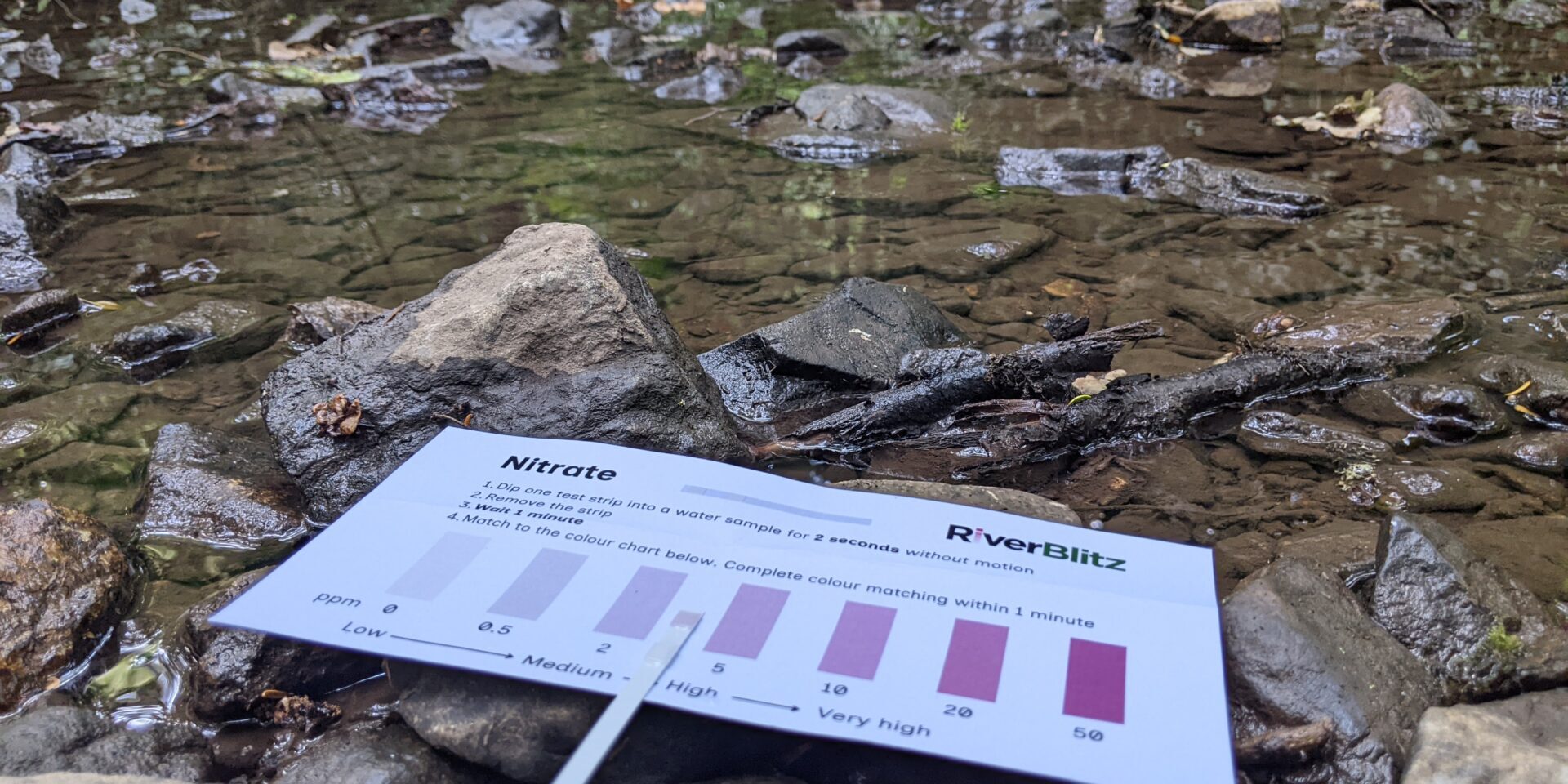
How does drought impact our rivers? Data collected by citizen scientists this summer tells us part of the story. For the eleventh year, Bristol Avon Rivers Trust coordinated our annual Bristol Avon RiverBlitz, a nine-day citizen science event where communities monitor water quality in the rivers and streams of the region. More than 200 volunteers collected water quality samples from 283 sites across the catchment, testing for phosphate and nitrate, two nutrients which when high indicate a river is polluted. All Bristol Avon RiverBlitz data can be viewed and explored on this interactive map.
Phosphate levels were higher
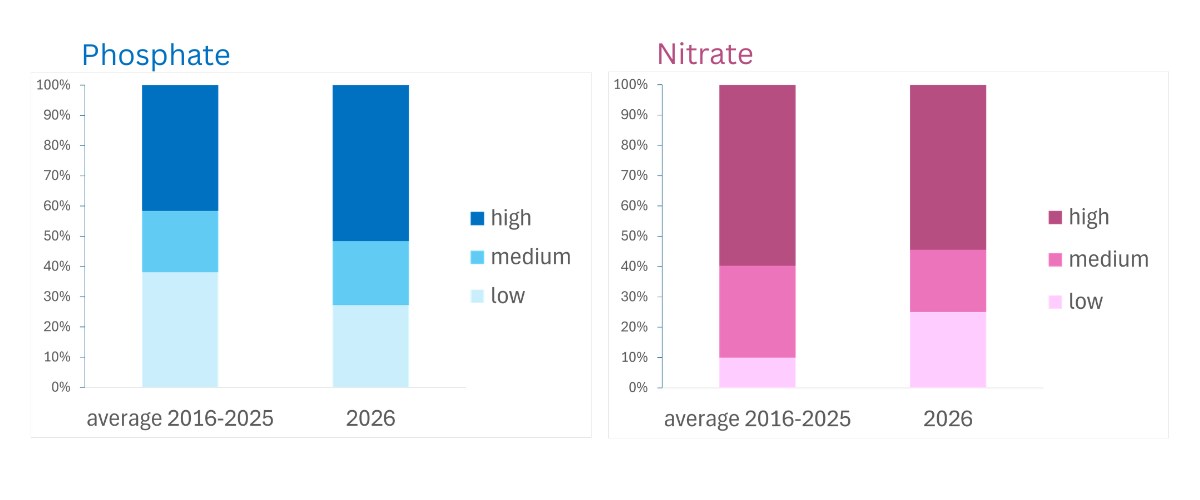
Before sampling, there had been exceptionally low rainfall for a prolonged period. With less water in our rivers, pollution becomes more concentrated and as expected, volunteers recorded higher phosphate levels than usually seen during the Bristol Avon RiverBlitz. This summer, 52% of the 283 sites sampled had high phosphate levels compared to a ten-year average of 42% of sites. The sites sampled vary each year, dotted along the full length of the River Avon and its tributaries, which includes waterways in Bristol, Bath, Frome, Malmesbury and the countryside between.
Phosphate occurs naturally in rivers, but elevated levels are often associated with pollution and can contribute to harmful algal blooms. Major sources include treated and untreated sewage, as well as agricultural runoff.
It is not only phosphate which becomes more concentrated in periods of drought. The same effect is likely to apply to other pollutants present in rivers, including pharmaceuticals and some household chemicals which pass through wastewater treatment systems and enter waterways.
A different picture for nitrate
Nitrate levels told a different story. Perhaps surprisingly, nitrate levels were lower with 25% of sites reporting ‘low’ nitrate this year compared to the ten-year average of 10% of sites. While nitrates can come from many sources, they are commonly linked to agricultural runoff. Without rain to wash the nitrate from the land, nitrate stays where it is – on the land. Once rain does fall, nitrate can then be washed into the rivers in worryingly high amounts. This is true of other pollutants such as road runoff with its toxic mixture of heavy metals, oils and microplastics, which sit on roads during dry periods and is flushed into rivers when it does rain.
The findings highlight an important challenge for river monitoring. While RiverBlitz provides a valuable snapshot of river health during low-flow conditions, pollutant levels may change dramatically after the first significant rain following a drought.
The nature of the data
While data collected by RiverBlitz volunteers provides a valuable snapshot, it does have limitations. Because sampling takes place during a short period in the summer, it does not capture conditions throughout the year. Results are also highly affected by weather conditions before and during the sampling period, making year-on-year comparisons challenging. In addition, RiverBlitz uses simple, accessible monitoring techniques that do not offer the same level of accuracy and precision as professional scientific surveys. However, the strength of the project lies in the scale of community participation. By enabling large numbers of volunteers to sample rivers and streams across the catchment at the same time, RiverBlitz delivers a broad and informative picture of local river health and helps identify patterns and differences between waterways throughout the catchment.
Rivers for wellbeing
For the first time, volunteers taking part in the Bristol Avon RiverBlitz were asked to record not only environmental data, but also how being beside their chosen river makes them feel. Responses revealed a wide range of emotions, from feelings of peace, calm and joy to concern, anxiety and sadness.
Despite these concerns, the overwhelming majority of participants reported positive experiences. More than seven in ten volunteers (71%) described positive feelings when visiting their river site, with calmness, peacefulness and happiness among the most commonly reported emotions. A further 10% reported neutral feelings, such as feeling informed or protective, while 19% reported predominantly negative emotions.
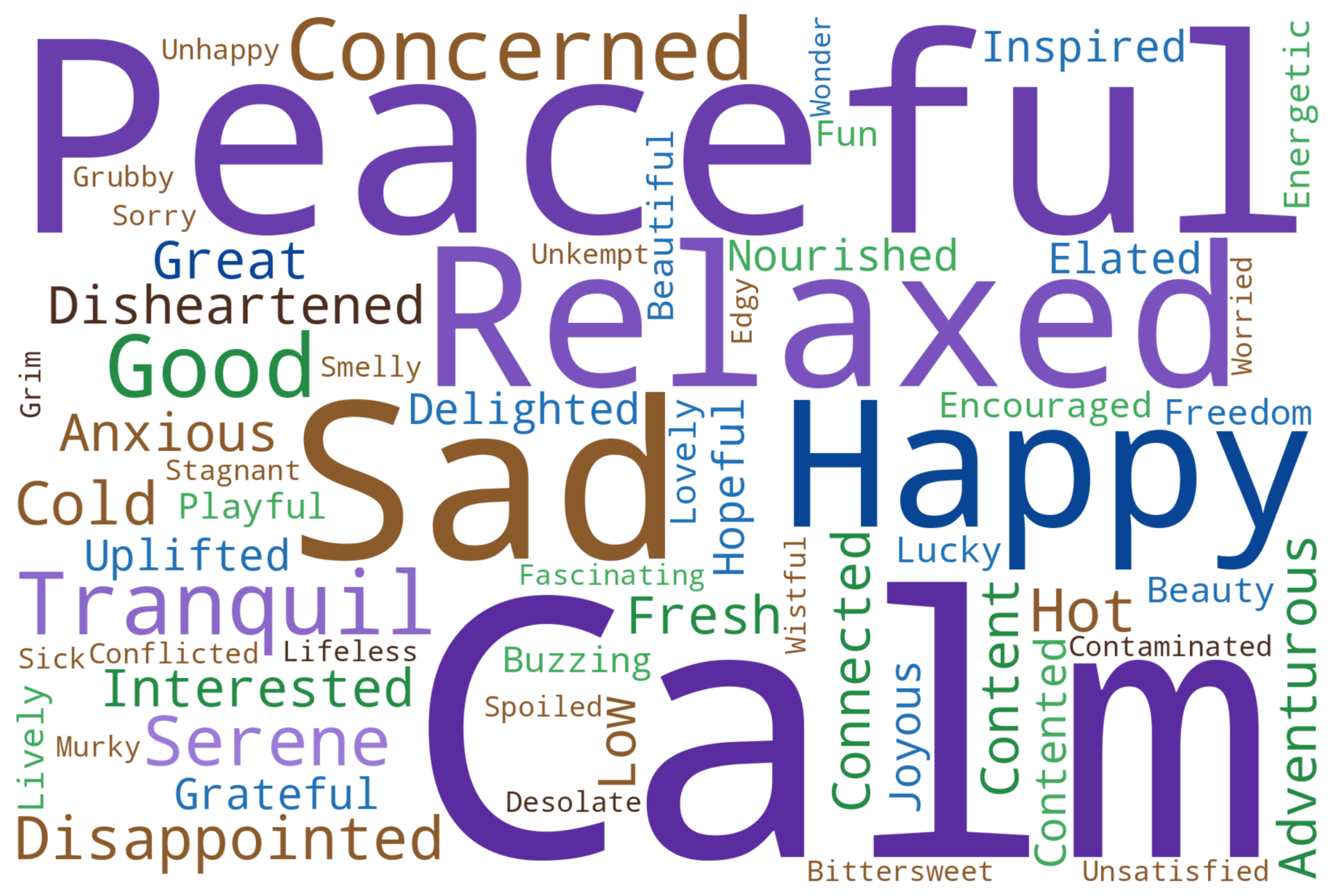
Interestingly, volunteers’ feelings about their river visits were not linked to water quality. Positive feelings were reported at rivers with both high and low nutrient levels, and most volunteers continued to describe positive experiences even where pollution was more visible. Disappointingly, litter was a widespread concern with rubbish recorded at 92 of the 283 sites surveyed. Even so, 60% of volunteers at these locations still reported positive feelings, highlighting the value people place on spending time by rivers despite environmental challenges.
The findings add to growing evidence that spending time in nature can have significant benefits for wellbeing. RiverBlitz results suggest that rivers across the Bristol Avon catchment play an important role in supporting the health and wellbeing of local communities, regardless of whether they are in urban or rural locations, or whether water quality is high or low.
What should we be doing?
This year’s Bristol Avon RiverBlitz results demonstrate that different pollutants respond differently to drought conditions. Some become more concentrated as river levels fall, while others build up on the landscape before being washed into waterways when rain returns. With climate change expected to bring more frequent and prolonged periods of drought, the impact of pollution on rivers is likely to become increasingly severe.
Reducing the amount of pollution entering rivers remains a critical priority. Equally important is helping landscapes retain more water when it does rain. Healthy soils, wetlands, woodlands and connected floodplains act as natural sponges, storing rainfall and releasing it gradually over weeks and months. In towns and cities, measures such as increased vegetation, water butts and fewer hard surfaces can slow water flow, reduce polluted runoff and help prevent sewage systems from becoming overwhelmed during heavy rainfall. Together, these actions can help build healthier, more resilient rivers in the face of a changing climate.
Bristol Avon Rivers Trust are grateful to the funders of this year’s Bristol Avon RiverBlitz: Bristol Avon Catchment Partnership, The Big Give and The Nineveh Charitable Trust.