BART’s Senior Farm Advisor, Robert Bamford, shares thoughts on the recent launch and closure within 5 hours of DEFRA’s Sustainable Farming Incentive (SFI) on 22nd September 2026.
In the build-up myself and other advisors across the country had been reminding farmers to get their applications ready and sending bespoke advice to individuals, as it’s often a metric tied to charitable funding.
It opened at 10am, by lunch time 50% of the £233 million was gone, and by 4pm, DEFRA announced it was closed and that all £233 million of funding had been allocated.
I feel deeply for all the farms and advisors across the country who spent a lot of time and effort to get applications ready, many of which who work full-time alongside the farm, would have been unable to apply. Farming organisations and advisers have understandably been expressing concerns and frustration about the situation. The Soil Association has also highlighted the significant uncertainty and concern across the sector, describing the handling of the changes as “shambolic”.
Before Brexit, agricultural subsidies were largely provided through the European Union’s Common Agricultural Policy (CAP), with payments primarily based on the amount of land farmed. While this provided important support to farmers, the system had its limitations, including disproportionately benefiting larger landowners. It also excluded smaller farms below 5 hectares from some forms of support, which had a particularly significant impact on market gardens and other small-scale producers. However, despite the problems with the CAP system, it was reliable and easy to access. Farmers knew this money would come every year at the same time, which meant they could plan as a business. This is vital, as farming has a lot of income tied to systems that are outside of their control, like the weather or international markets.
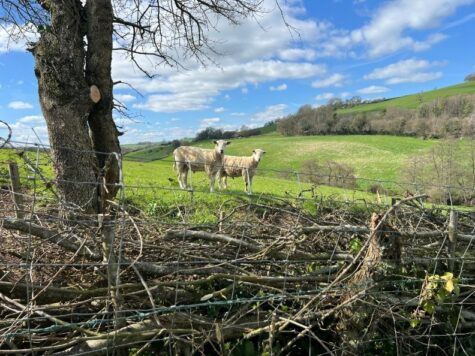
It is also worth noting, from an environmental perspective, that from the introduction of the CAP in 1973 through to around the 2000s, agricultural subsidies were largely linked to the volume of crops, milk and other agricultural products produced. This created a direct financial incentive to increase production, reinforced by the prevailing advice and policy direction from agricultural colleges, universities and government at the time. In a personal context, I’ve seen this play out on my family farm; my grandfather was paid and encouraged to rip out hedges, straighten ditches and drain wetlands, my Dad was paid to put back the hedges, and I’ll be paid to rewet the land.
After Brexit, England has been reducing the CAP payment gradually since 2020, when the average farm received about £28,000 annually, often accounting for 50 – 60% of their total income. This year that payment has been capped at £600 per farm and will be phased out entirely in 2027. So, if a farm missed out on SFI, their total subsidy this year could be £600. The NFU and others had been warning DEFRA for months that this would happen and are now questioning what now for the farms left out?
The combined effects of rising input costs, reduced subsidies, volatile markets and an increased frequency of extreme weather events are being felt hardest by our farmers and for many, it’s becoming unviable to continue. A record 6,365 agriculture, forestry and fishing businesses closed in 2025. At the same time new entrants to the sector often face multiple barriers and a lack of support.
Why should we subsidise farming you ask? Well, as the popular saying goes; if we had no famers, we’d be naked, hungry, and sober! Food security has never been more important and as climate change intensifies, geopolitics will become increasingly unstable, which will impact our food supply. It is rather ironic that fossil fuel industries continue to be the most subsidised industry worldwide.
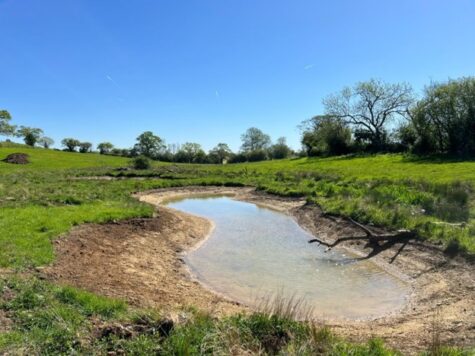
Farmers need our support now more than ever. Farming is demanding work, often involving long hours, financial pressures and considerable uncertainty, while farmers can also feel that they are being held responsible for wider challenges such as climate change and biodiversity loss. For many, the farm is much more than a business: it can be a family legacy, a source of identity and a way of life passed down through generations. The prospect of losing the farm can therefore carry a profound personal and emotional cost. Farmers are, of course, part of the solution to many of the environmental challenges we face, but they are also navigating significant pressures and deserve understanding, respect and practical support as they adapt to a changing world.
The positive note to end on is that farmers are incredibly resilient and adaptable, and British farming continues to uphold some of the highest animal welfare and environmental standards in the world. I’ve yet to meet a farmer that doesn’t want to leave the farm in a better state than when they started. The demand for capital investment to increase nature recovery and climate resilience has never been clearer; it took 5 hours for farmers nationwide to spend £233 million on nature-based farming!
Whilst reading the news can make me feel despondent, I’m encouraged by the feeling that I’m in the right place, at the right time, and if I can help farmers, they will naturally help the environment and keep us fed!
If you want to support a farmer, purchase produce direct from a local farm, or sign up for workshops, festivals and more!
https://www.nempnettpastures.co.uk/
https://www.threeharesorganics.co.uk/
https://fieldfareorchard.co.uk/
https://www.radfordmillfarm.com/
https://www.thecommunityfarm.co.uk/
https://www.fernhill-farm.co.uk/farm-shop
https://www.middlegroundgrowers.com/
https://www.honeyscider.co.uk/about-us.html
https://www.wildingcider.co.uk/
https://www.limeburnhillvineyard.co.uk/
https://www.strodevalleyorganics.org/
https://www.strodewaterfall.earth/sauna.html
https://www.lushgreensbristol.org.uk/